

Back Pain Therapy Campbellville
Back pain affects millions of adults and can significantly impact your quality of life, work productivity, and daily activities. If you are searching for back pain therapy in Campbellville or the surrounding Greater Toronto Area-including Waterdown, Carlisle, Dundas, Ancaster, Burlington, Hamilton, Cambridge, and Flamborough-this guide will walk you through the essential steps to access professional, evidence-based treatment. Movement Solutions Physiotherapy operates multiple locations across this region, providing specialized back pain management with over 90 collective years of clinical experience. This how-to guide explains the process of engaging with back pain therapy, from initial assessment through recovery, so you can make informed decisions about your rehabilitation journey.
By following these steps, you will understand how to identify your back pain pattern, prepare for professional evaluation, engage actively in evidence-based treatment protocols, and maintain long-term spinal health. The process combines manual therapy, targeted exercise prescription, and advanced techniques like Gunn Intramuscular Stimulation (IMS) to address root causes rather than masking symptoms.
Step 1: Identify Your Back Pain Pattern and Symptoms
Before seeking back pain therapy in Campbellville, spend three to five days documenting your pain pattern with clinical precision. Record the location of pain (upper back, mid-back, lower back), intensity on a 0-10 scale, timing (morning stiffness, end-of-day fatigue, specific triggers), and associated symptoms such as numbness, tingling, or limitation of movement. This documentation becomes invaluable diagnostic information for your physiotherapist during initial consultation.
Note specific activities or postures that aggravate your pain and those that provide relief. For example, does sitting at a desk worsen symptoms? Does standing or walking ease discomfort? Are certain movements-like bending forward, rotating your spine, or lying down-problematic? Additionally, consider whether your pain is sharp and localized, or dull and diffuse across the back. This distinction helps differentiate between muscular strains, disc-related issues, and other spinal conditions. If you have experienced previous back injuries or have a history of repetitive strain from work or sports, document this context as well.
Step 2: Schedule a Comprehensive Physiotherapy Assessment
Contact Movement Solutions Physiotherapy at one of their conveniently located clinics in Waterdown, Carlisle, Dundas, Ancaster, Burlington, Hamilton, Cambridge, or Flamborough. During your initial consultation, a registered physiotherapist will conduct a thorough musculoskeletal examination that includes postural analysis, range-of-motion testing, strength assessment, and functional movement screening. This assessment determines whether your back pain originates from muscular dysfunction, joint restrictions, nerve involvement, or postural compensation patterns.
The physiotherapist may perform orthopedic tests such as the Straight Leg Raise, Patrick's Test, or Palpation of the spine to identify the precise source of your pain. They will also review your medical history, imaging results (X-rays or MRI, if available), and any previous treatments. If you have seen your physician, bring any referral documentation or diagnostic imaging reports. This comprehensive baseline assessment guides treatment planning and helps establish realistic recovery timelines. Many patients benefit from discussing their occupational demands, fitness level, and personal recovery goals during this initial visit to ensure the treatment plan aligns with their lifestyle.
Step 3: Engage in Evidence-Based Treatment Modalities
Movement Solutions Physiotherapy employs several clinical approaches for back pain therapy. Your personalized treatment plan may include one or more of the following evidence-based modalities:
- Manual Therapy: Hands-on techniques such as joint mobilization, soft tissue mobilization, and spinal manipulation to restore segmental mobility and reduce pain. These techniques often provide immediate relief and prepare tissues for exercise.
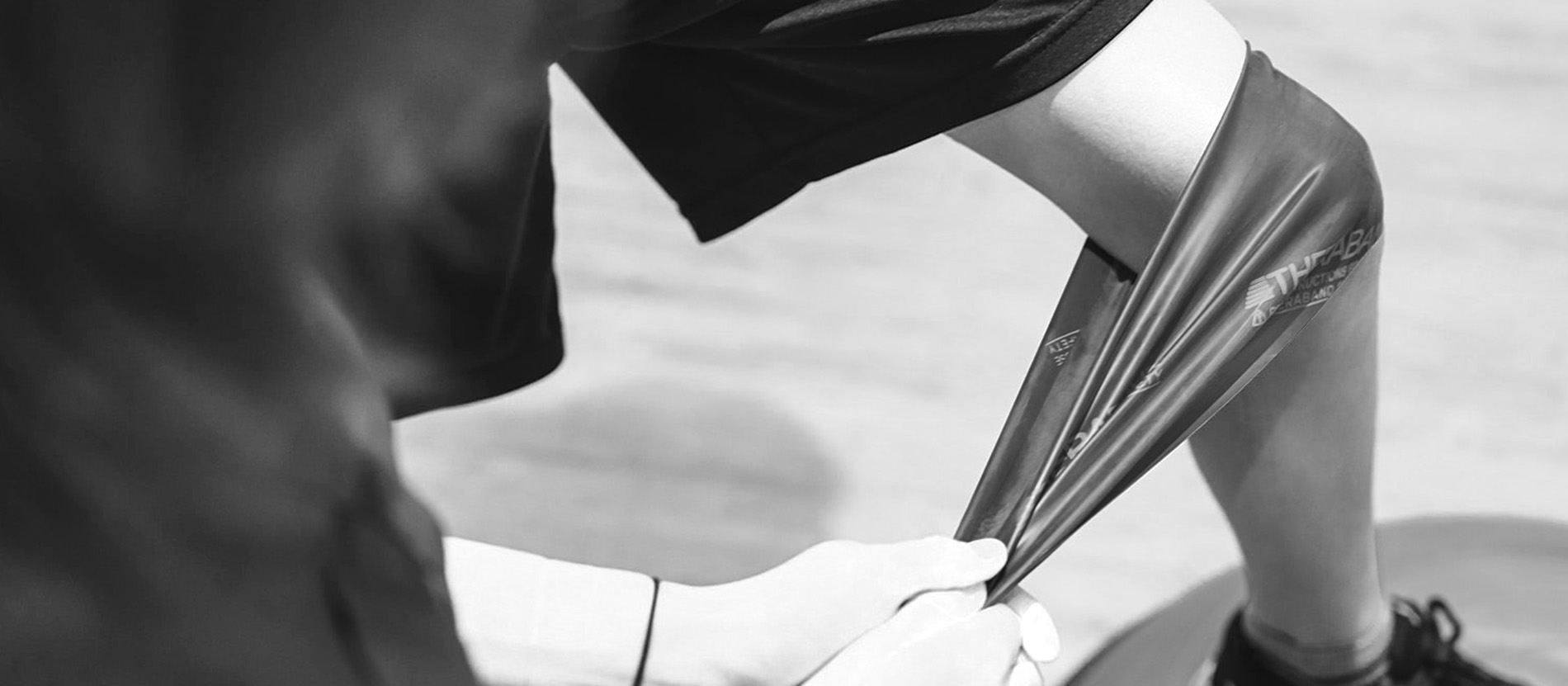
- Exercise Prescription: Targeted strengthening and stabilization exercises designed specifically for your spinal anatomy and dysfunction. These typically progress from basic activation patterns to functional, sport-specific movements.
- Gunn IMS (Intramuscular Stimulation): A dry needling technique that addresses myofascial trigger points and nerve-related pain patterns, particularly effective for chronic or treatment-resistant back pain.
- Postural and Movement Retraining: Education on optimal body mechanics during daily activities, workstation ergonomics, and movement patterns to prevent re-injury.
- Telehealth Services: Virtual physiotherapy sessions available if you prefer remote treatment or live farther from clinic locations in the Greater Toronto Area.
Evidence-based physiotherapy treatment for back pain typically requires 6-12 sessions over 4-8 weeks to achieve significant functional improvement, though timelines vary based on pain severity and individual response to treatment.
Attend sessions consistently as prescribed by your physiotherapist. Most patients attend one to three sessions per week initially, with frequency decreasing as pain resolves and independence with home exercises increases. During each session, communicate how your symptoms have changed, whether home exercises are challenging, and if specific movements remain problematic. This feedback allows your physiotherapist to modify the treatment plan based on your progress.
Step 4: Develop and Maintain a Home Exercise Program
A critical component of successful back pain therapy in Campbellville involves consistent performance of prescribed home exercises. Your physiotherapist will teach you specific exercises targeting the underlying dysfunction identified during assessment. These typically include core stabilization exercises, spinal mobility work, and functional movement patterns. The number of exercises varies-typically three to six-and should take 15-30 minutes to complete three to five times weekly.
Record your home exercise performance by logging sets, repetitions, and any pain or difficulty encountered. Most patients experience the most significant gains when they perform home exercises at least as frequently as they attend in-clinic sessions. Your physiotherapist may provide written instructions, photographs, or video demonstrations to ensure proper exercise technique and reduce re-injury risk. As your condition improves, your physiotherapist will progress exercises by increasing resistance, complexity, or functional difficulty. This progression prevents plateaus and continues challenging your spine as it heals, ultimately building resilience against future injury.
Movement Solutions Physiotherapy clinics across Waterdown, Burlington, Hamilton, and other Greater Toronto Area locations emphasize patient education so you understand the "why" behind each intervention. This knowledge empowers you to make informed decisions about your spinal health and recognize warning signs of potential re-injury before they become problematic. Upon discharge from physiotherapy, you will have the tools and knowledge to maintain spinal health independently and know when to seek professional guidance if symptoms return.
Frequently Asked Questions
How long does back pain therapy typically take to show results?
Most patients experience noticeable improvement in pain and function within 2-4 weeks of consistent physiotherapy treatment. However, achieving full functional recovery and preventing recurrence typically requires 6-12 sessions over 4-8 weeks, depending on pain severity, chronicity, and individual healing response. Adherence to home exercises significantly accelerates progress.
Is back pain therapy in Campbellville covered by my health insurance?
Many extended health insurance plans cover physiotherapy services, including back pain therapy, when referred by a physician. Coverage amounts and conditions vary by plan. We recommend contacting your insurance provider to confirm your coverage limits and whether a referral is required before your first appointment.
What is the difference between manual therapy and exercise-based treatment for back pain?
Manual therapy (hands-on techniques) provides immediate pain relief and restores joint mobility, while exercise-based treatment builds strength and stability to prevent re-injury. The most effective approach combines both: manual therapy prepares tissues and reduces pain, then targeted exercises establish lasting functional improvement. Back pain therapy works best when these components work together.
Can I access back pain therapy virtually through telehealth in the Greater Toronto Area?
Yes, Movement Solutions Physiotherapy offers telehealth services for back pain therapy across the Greater Toronto Area. Virtual sessions work well for exercise instruction, postural assessment, and program progression. However, conditions requiring extensive manual therapy may benefit from in-person treatment. Your physiotherapist will recommend the best format based on your specific needs.
What should I bring to my first back pain therapy appointment?
Bring your health card, a list of current medications, and any relevant medical imaging (X-rays, MRI reports) or physician referrals. Wear comfortable, loose-fitting clothing that allows full range of motion. It helps to bring documentation of your pain pattern-dates, intensity, triggers, and activities affected-which assists your physiotherapist in assessment.
Is Gunn IMS (dry needling) painful and is it effective for back pain?
Gunn IMS uses thin needles to address myofascial trigger points and nerve-related pain; mild discomfort is normal but not painful. Research supports IMS effectiveness for chronic back pain, particularly when combined with exercise. Your physiotherapist will discuss whether IMS suits your condition and answer any concerns before treatment begins.

Our Services
We offer a range of services from our highly experienced and friendly staff.

Manual Therapy
Shown to be an effective treatment for a variety of conditions, including back pain, neck pain, headaches, tendonitis, and post–surgical rehab

Exercise Prescription
Provided by your physiotherapist, it provides a personalized plan that meets your individual needs

Gunn IMS
(dry needling)
Utilizing acupuncture needles (a small fine solid needle) to specifically target injured muscles that have contracted and become shortened from distress

Acupuncture
By activating the natural pain control and healing mechanisms of the body, it can improve local circulation and muscle nutrition, restoring muscle strength and decreasing pain

Education
As a key philosophy at Movement Solutions, we provide you with the information needed to assist and educate yourself as you work through your rehabilitation goals

Taping
Commonly used to provide support to an injured area and to assist in the healing process, but can also be used to improve posture, reduce inflammation, and improve mobility

IASTM
Instrument assisted soft tissue mobilization refers to specialized instruments that are used in place of a physiotherapist’s hands. These instruments allow for a more direct treatment of the soft tissues involved with movement

Cancer rehabilitation
An important part of cancer treatment, as it helps to improve physical and emotional functioning and overall quality of life

Lymphedema Management
The lymphatic system is responsible for helping to move lymph fluid to lymph nodes where it is broken down and then transported for elimination

ADP authorizer for lymphedema compression garments
A government program that provides funding for compression garments that are needed daily.

Sports related injury and prevention
While these injuries can be common, they can be prevented with proper training and conditioning

Telehealth – virtual physiotherapy
A great way for patients to access physiotherapy services without needing to attend an in-person appointment

Hands On
At Movement Solutions we offer a hands on approach to physiotherapy care. During each appointment your physiotherapist will evaluate and treat your injury using manual therapy based skills.

One On One
Our practice is to provide one on one care. Your physiotherapist will spend your entire appointment with you.

Client Specific
Our client specific approach means that your physiotherapist will listen closely to you throughout each session to determine your needs.

I have been treated by the team at Movement Solutions on and off for over 15 years for a multitude of injuries (back, high ankle, hip, shoulder, etc). Blair was able to fix a plaguing multiyear shoulder injury that other physiotherapists were unable to permanently fix prior to me finding Movement Solutions. Blair was able to alleviate, strengthen, and allow me to regain range of motion for this injury.
SC
The team at Movement Solutions understands that not everyone can take time off work to heal. They provide effective exercises that can be done at home or at work. The clinic also shows responsible patient care as they aren’t afraid to make referrals to other healthcare resources as needed, and to advocate for their clients to ensure they get additional healthcare they need. In one example, my son was undergoing treatment for his shoulder. However, when he entered the clinic limping due to a volleyball injury suffered earlier in the day, his physiotherapist took a look and immediately sent us to the hospital for x-rays and sure enough multiple bones in my son’s foot were broken.
JC
I’ve been lucky enough to be a patient of Blair’s for many years. I had suffered for years with chronic pain from a broken back, but with Blair’s expertise and care, I’m back to my fully active lifestyle. I still turn to Blair whenever I tweak something. He’s always able to diagnose and treat the problem, and then tailor an exercise plan that works for me. I highly recommend Blair and all of the team at Movement Solutions!
MG


We Are Ready To Help
Give us a call to discuss your health challenge. When you are ready, we are happy to begin your recovery journey.