

Cancer Rehab Center In Waterdown Ontario
When Sarah, a 54-year-old marketing director from Waterdown, completed her chemotherapy and radiation protocol for breast cancer, she faced an unexpected challenge: her body felt fundamentally altered. Her right shoulder had lost significant range of motion, her core strength had diminished, and she experienced persistent fatigue and lymphedema in her right arm. Like many cancer survivors, Sarah discovered that finishing treatment wasn't the end of her journey-it was a new beginning that required specialized support. She needed more than general physiotherapy; she needed a Cancer Rehab Center In Waterdown Ontario equipped with clinicians trained in the unique demands of post-oncology rehabilitation.
Sarah's situation reflects a common gap in cancer care across the Greater Toronto Area, Ontario. While oncology teams excel at treating the disease, post-treatment rehabilitation-the bridge between medical intervention and functional recovery-is often overlooked or handled by generalists unfamiliar with cancer-specific complications. Lymphedema, reduced mobility, deconditioning, and psychological barriers to movement are just some of the issues that cancer survivors face. Movement Solutions Physiotherapy, with locations in Waterdown, Carlisle, Dundas, Ancaster, Burlington, Hamilton, Cambridge, and Flamborough, specializes in addressing these multifaceted challenges through evidence-based, hands-on rehabilitation tailored to each survivor's needs.
The Problem: Post-Treatment Complications and Loss of Function
Sarah's initial assessment at the Cancer Rehab Center In Waterdown Ontario revealed several interconnected issues. Her right shoulder presented with 45 degrees of limited external rotation compared to her left side-a significant functional deficit that made reaching, lifting, and overhead activities painful and restricted. Additionally, she had developed moderate lymphedema in her right arm and hand, evidenced by a circumference increase of 2.5 centimeters at the forearm compared to pre-treatment measurements. Her core stability was compromised, and she reported generalized deconditioning, describing herself as "exhausted by a short walk."
These complications are not anomalies; they are predictable outcomes of cancer treatment. Chemotherapy affects connective tissue elasticity and nerve function. Surgical interventions, including lymph node removal, disrupt the lymphatic system's capacity to manage fluid. Radiation creates scar tissue and reduces soft tissue extensibility. Prolonged inactivity during treatment accelerates muscle atrophy and cardiovascular deconditioning. Sarah needed clinicians who understood these mechanisms and could design a rehabilitation protocol that addressed them systematically while respecting the physiological vulnerabilities that remain after cancer treatment.
Equally important was the psychological dimension. Sarah harbored legitimate concerns about pain during movement and fear that exercise might trigger complications or recurrence. Many cancer survivors experience "chemo brain" or cognitive fog, anxiety about re-engagement with their bodies, and depression related to identity changes. A general physiotherapist, while well-intentioned, might not recognize these dimensions or know how to address them within the context of rehabilitation. Sarah needed specialists-the kind you find at a dedicated Cancer Rehab Center In Waterdown Ontario.
The Approach: Integrated, Evidence-Based Cancer Rehabilitation
Movement Solutions Physiotherapy developed a phased, 16-week protocol for Sarah grounded in current oncology rehabilitation research and delivered through direct, one-on-one clinical sessions. The approach was individualized, progressing based on objective measurements and Sarah's functional tolerances rather than a predetermined timeline.
Phase 1 (Weeks 1-4): Lymphedema Management and Gentle Mobility Restoration
The clinician began with manual lymphatic drainage (MLD) techniques, a specialized hands-on method that encourages fluid movement through intact lymphatic pathways, bypassing damaged areas. This was combined with compression garment education and a custom compression sleeve protocol. Concurrently, gentle passive and active-assisted range-of-motion exercises were introduced to the right shoulder, focusing on pain-free movement patterns. Breathing exercises and gentle core activation were implemented to re-establish Sarah's kinesthetic awareness and build confidence in movement. This phase prioritized symptom reduction and psychological re-engagement with the body.
Phase 2 (Weeks 5-10): Strength Development and Functional Re-training
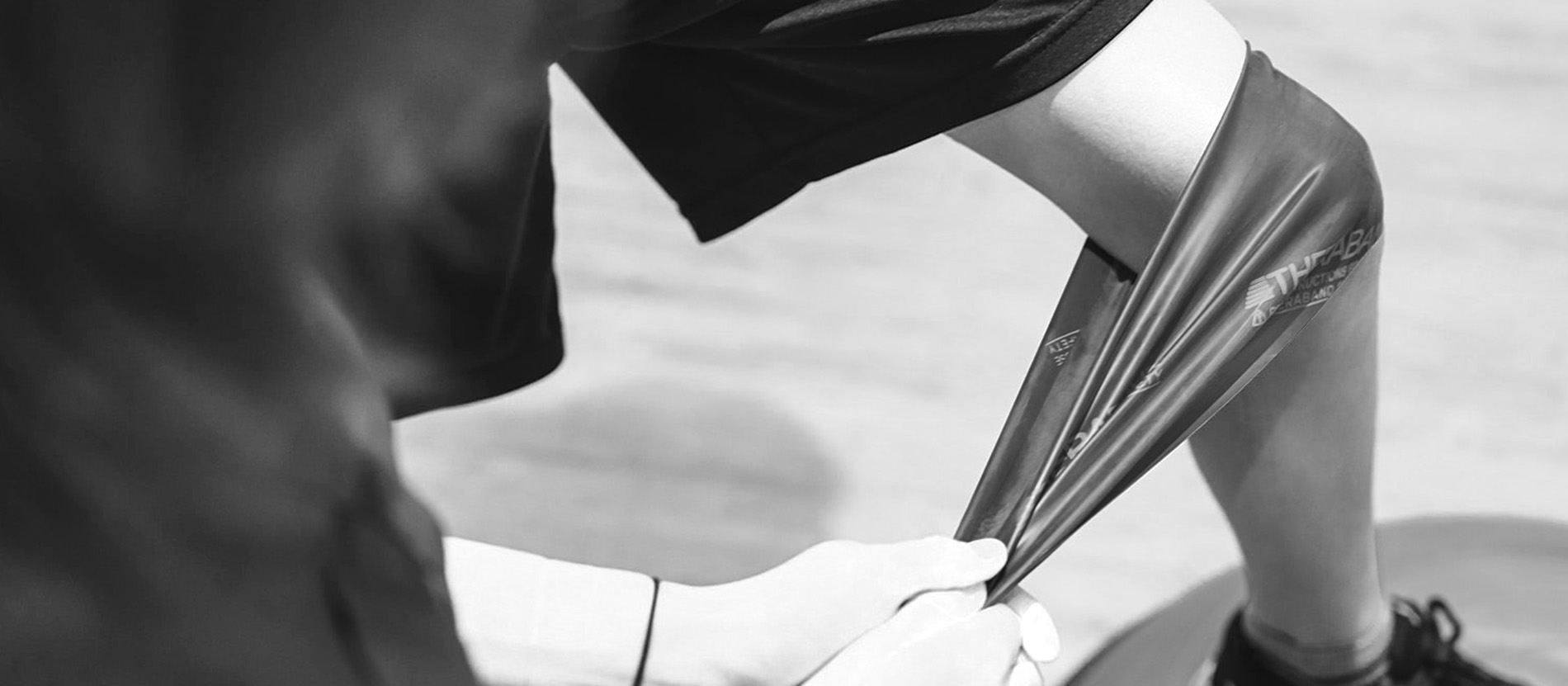
As lymphedema reduced (arm circumference decreased by 1.8 centimeters) and shoulder mobility improved to near-symmetrical ranges, the focus shifted to progressive resistance exercise. The clinician prescribed evidence-based strengthening protocols for the shoulder girdle, core, and lower extremities, carefully monitoring for any adverse responses. Resistance began with bodyweight and light resistance bands, progressing to light dumbbells as tolerated. Functional activities-sit-to-stand transitions, stairs, reaching tasks, and light lifting-were incorporated into sessions to translate isolated strength gains into real-world capacity. Aerobic conditioning began with walking programs, gradually increasing duration and intensity based on Sarah's cardiovascular response and fatigue levels.
Phase 3 (Weeks 11-16): Return to Meaningful Activity and Long-Term Management
By phase three, Sarah was ready to approach her pre-cancer activity level with modifications. The clinician progressed resistance exercises and reintegrated activities Sarah valued-gardening, traveling, social engagement. Education on self-management, including home exercise programming, lymphedema self-care protocols, and strategies for managing recurrent symptoms, was formalized. Movement Solutions also discussed the role of telehealth physiotherapy as an ongoing maintenance option, allowing Sarah to access expert guidance from home when needed.
Throughout the process, the clinician communicated regularly with Sarah's oncologist and family physician, ensuring rehabilitation aligned with overall medical care and preventing contradictory guidance. This collaborative model is a hallmark of specialized cancer rehab centers in the Greater Toronto Area, Ontario.
| Measurement | Baseline (Week 1) | Mid-Program (Week 8) | Discharge (Week 16) |
|---|---|---|---|
| Right Shoulder External Rotation | 45 degrees limited | 20 degrees limited | Symmetrical bilaterally |
| Right Forearm Circumference (excess) | 2.5 cm | 1.2 cm | 0.3 cm (residual, stable) |
| 6-Minute Walk Test Distance | 280 meters | 420 meters | 520 meters |
| Pain Rating (0-10 scale) | 6/10 | 2/10 | 0-1/10 |
| Grip Strength (Right Hand) | 18 kg | 24 kg | 28 kg |
The Cancer Rehab Center In Waterdown Ontario utilized specialized techniques including manual therapy to address soft tissue restrictions, exercise prescription tailored to post-oncology physiology, and patient education grounded in research. Clinicians maintained awareness of "red flags"-symptoms that might indicate recurrence or complications requiring physician consultation-underscoring the medical literacy required in cancer rehabilitation.
Sarah's program also incorporated psychological support through goal-setting conversations and celebrating functional milestones. Rehabilitation after cancer is as much about restoring confidence and identity as it is about restoring physical capacity. The clinician regularly affirmed Sarah's progress and reframed setbacks as expected learning opportunities rather than failures.
Results emerged gradually but consistently. By week eight, Sarah's lymphedema had reduced substantially, her shoulder achieved functional ranges of motion, and her fatigue began to lift with progressive conditioning. By week 16, she had returned to gardening, traveled comfortably, and reported feeling "like myself again"-not unchanged by her cancer experience, but no longer limited by it.
Movement Solutions Physiotherapy's approach reflects 90+ collective years of clinical experience and commitment to evidence-based practice. The clinicians across their locations in Waterdown, Carlisle, Dundas, Ancaster, Burlington, Hamilton, Cambridge, and Flamborough understand that cancer rehabilitation is not a luxury or optional addon to oncology care-it is an essential component of comprehensive recovery that enables survivors to reclaim function, confidence, and quality of life.
If you or a loved one is navigating the post-cancer rehabilitation journey, Movement Solutions offers the specialized expertise, hands-on care, and individualized attention that recovery demands. The pathway from treatment completion to functional recovery is achievable with the right clinical support.
Frequently Asked Questions
What exactly does a Cancer Rehab Center In Waterdown Ontario do differently than a regular physiotherapy clinic?
A specialized cancer rehab center employs clinicians trained in oncology-specific complications including lymphedema management, radiation-induced tissue changes, chemotherapy-related deconditioning, and the psychological dimensions of cancer recovery. They understand cancer treatment protocols, communicate with oncology teams, and recognize red flags that require physician consultation. They also use specialized techniques like manual lymphatic drainage and design protocols that respect the unique vulnerabilities of cancer survivors, whereas general physiotherapy clinics may lack this specialized knowledge and equipment.
How long does cancer rehabilitation typically take after treatment?
Cancer rehabilitation timelines vary widely depending on the type and extent of cancer treatment, the individual's age, fitness level before diagnosis, and specific complications present. Many survivors benefit from 12 to 20 weeks of structured rehabilitation with a specialized clinician, followed by ongoing self-management and periodic check-ins. Some complications like lymphedema require long-term management strategies rather than a fixed endpoint. Your clinician will develop a personalized timeline based on your specific circumstances and recovery trajectory.
Is lymphedema permanent after cancer treatment, and can physiotherapy help?
Lymphedema can range from mild and temporary to chronic and persistent, depending on the extent of lymph node removal and radiation exposure. While lymphedema cannot be completely cured once it develops, specialized physiotherapy including manual lymphatic drainage, compression garment fitting, and self-care education can significantly reduce severity, maintain improvement, and prevent progression. Early intervention is critical; starting rehabilitation soon after treatment completion produces better outcomes than waiting for symptoms to worsen.
Can I do telehealth physiotherapy for cancer rehabilitation, or do I need in-person sessions?
Most cancer survivors benefit from in-person sessions initially, particularly during the early phases when hands-on techniques like manual lymphatic drainage and physical examination are essential for accurate assessment and treatment. However, once you've progressed and learned self-management strategies, telehealth physiotherapy can be valuable for ongoing coaching, exercise prescription adjustments, and maintenance-especially for individuals in rural areas or those with mobility constraints. Movement Solutions offers both modalities to accommodate your needs.
Will exercise during cancer rehabilitation cause pain or harm, and how do clinicians know what's safe?
Exercise designed by a cancer-trained physiotherapist is both safe and essential for recovery. Clinicians carefully assess your baseline function, monitor your response to activity, and progress exercise intensity based on objective measurements and your tolerance. They distinguish between expected muscle soreness and pain signals indicating complications. They also maintain open communication with your oncology team to ensure all rehabilitation aligns with your medical status. Pain during well-designed rehabilitation is typically minimal, and fear of exercise usually diminishes as you experience safe, controlled progression.

Our Services
We offer a range of services from our highly experienced and friendly staff.

Manual Therapy
Shown to be an effective treatment for a variety of conditions, including back pain, neck pain, headaches, tendonitis, and post–surgical rehab

Exercise Prescription
Provided by your physiotherapist, it provides a personalized plan that meets your individual needs

Gunn IMS
(dry needling)
Utilizing acupuncture needles (a small fine solid needle) to specifically target injured muscles that have contracted and become shortened from distress

Acupuncture
By activating the natural pain control and healing mechanisms of the body, it can improve local circulation and muscle nutrition, restoring muscle strength and decreasing pain

Education
As a key philosophy at Movement Solutions, we provide you with the information needed to assist and educate yourself as you work through your rehabilitation goals

Taping
Commonly used to provide support to an injured area and to assist in the healing process, but can also be used to improve posture, reduce inflammation, and improve mobility

IASTM
Instrument assisted soft tissue mobilization refers to specialized instruments that are used in place of a physiotherapist’s hands. These instruments allow for a more direct treatment of the soft tissues involved with movement

Cancer rehabilitation
An important part of cancer treatment, as it helps to improve physical and emotional functioning and overall quality of life

Lymphedema Management
The lymphatic system is responsible for helping to move lymph fluid to lymph nodes where it is broken down and then transported for elimination

ADP authorizer for lymphedema compression garments
A government program that provides funding for compression garments that are needed daily.

Sports related injury and prevention
While these injuries can be common, they can be prevented with proper training and conditioning

Telehealth – virtual physiotherapy
A great way for patients to access physiotherapy services without needing to attend an in-person appointment

Hands On
At Movement Solutions we offer a hands on approach to physiotherapy care. During each appointment your physiotherapist will evaluate and treat your injury using manual therapy based skills.

One On One
Our practice is to provide one on one care. Your physiotherapist will spend your entire appointment with you.

Client Specific
Our client specific approach means that your physiotherapist will listen closely to you throughout each session to determine your needs.

I have been treated by the team at Movement Solutions on and off for over 15 years for a multitude of injuries (back, high ankle, hip, shoulder, etc). Blair was able to fix a plaguing multiyear shoulder injury that other physiotherapists were unable to permanently fix prior to me finding Movement Solutions. Blair was able to alleviate, strengthen, and allow me to regain range of motion for this injury.
SC
The team at Movement Solutions understands that not everyone can take time off work to heal. They provide effective exercises that can be done at home or at work. The clinic also shows responsible patient care as they aren’t afraid to make referrals to other healthcare resources as needed, and to advocate for their clients to ensure they get additional healthcare they need. In one example, my son was undergoing treatment for his shoulder. However, when he entered the clinic limping due to a volleyball injury suffered earlier in the day, his physiotherapist took a look and immediately sent us to the hospital for x-rays and sure enough multiple bones in my son’s foot were broken.
JC
I’ve been lucky enough to be a patient of Blair’s for many years. I had suffered for years with chronic pain from a broken back, but with Blair’s expertise and care, I’m back to my fully active lifestyle. I still turn to Blair whenever I tweak something. He’s always able to diagnose and treat the problem, and then tailor an exercise plan that works for me. I highly recommend Blair and all of the team at Movement Solutions!
MG


We Are Ready To Help
Give us a call to discuss your health challenge. When you are ready, we are happy to begin your recovery journey.