

Cancer Rehabilitation In Waterdown Ontario
With years of experience in cancer rehabilitation, the team at Movement Solutions Physiotherapy understands that recovery after cancer treatment requires a specialized, compassionate approach. Cancer Rehabilitation In Waterdown Ontario has become increasingly accessible through evidence-based physiotherapy programs designed to address the unique physical and functional challenges cancer survivors face. This guide walks you through the essential steps to begin your rehabilitation journey, whether you're recovering from surgery, chemotherapy, radiation, or a combination of treatments.
By following this step-by-step process, you'll learn how to safely rebuild strength, manage fatigue and lymphedema, restore mobility, and reclaim your quality of life. Movement Solutions serves multiple locations across the Greater Toronto Area-including Waterdown, Carlisle, Dundas, Ancaster, Burlington, Hamilton, Cambridge, and Flamborough-with physiotherapists trained in post-cancer rehabilitation protocols.
Step 1: Schedule a Comprehensive Assessment with a Specialized Physiotherapist
The foundation of any effective cancer rehabilitation program begins with a thorough assessment by a physiotherapist experienced in oncology care. During this initial consultation, your therapist will review your medical history, treatment details (surgery type, chemotherapy protocols, radiation sites), and current physical limitations. They'll evaluate your range of motion, strength, cardiovascular capacity, balance, and any signs of lymphedema or scar tissue restrictions.
At Movement Solutions Physiotherapy, this assessment typically includes functional testing-such as how far you can walk, your ability to lift objects, and your tolerance for daily activities. This baseline measurement is critical because it allows your therapist to design a personalized rehabilitation program tailored to your specific recovery needs. Many cancer survivors experience fatigue, weakness, or movement restrictions that aren't immediately obvious, so this detailed assessment ensures nothing is overlooked.
Step 2: Develop a Personalized Rehabilitation Plan with Clear Goals
Once your assessment is complete, your physiotherapist will collaborate with you to establish realistic, measurable rehabilitation goals. These might include returning to work, resuming sports activities, managing lymphedema, regaining shoulder mobility after breast cancer surgery, or simply improving energy levels and functional independence. Your goals should be specific and time-framed so you can track progress throughout your recovery.
Your personalized plan will outline the frequency and duration of physiotherapy sessions, the types of exercises you'll perform, and any specialized treatments you may benefit from-such as manual therapy, exercise prescription, or Gunn IMS (dry needling) for managing pain and muscle tension. Movement Solutions Physiotherapy offers both in-person and virtual physiotherapy options, making it convenient to access cancer rehabilitation in Waterdown Ontario regardless of your schedule or mobility level. Having a written plan keeps you accountable and helps you understand exactly what to expect from your recovery journey.
Step 3: Begin Gentle, Progressive Exercise under Professional Supervision
Cancer rehabilitation exercise must be progressive and carefully monitored. Starting with gentle movements-such as range-of-motion exercises, walking, and light stretching-allows your body to adapt safely as it recovers from treatment. Your physiotherapist will teach you proper form, breathing techniques, and how to recognize warning signs like unusual pain, dizziness, or excessive fatigue that warrant modification.
Approximately 70-80% of cancer survivors experience fatigue during and after treatment. Progressive exercise, when prescribed correctly, significantly improves energy levels, cardiovascular health, and psychological well-being without increasing disease risk.
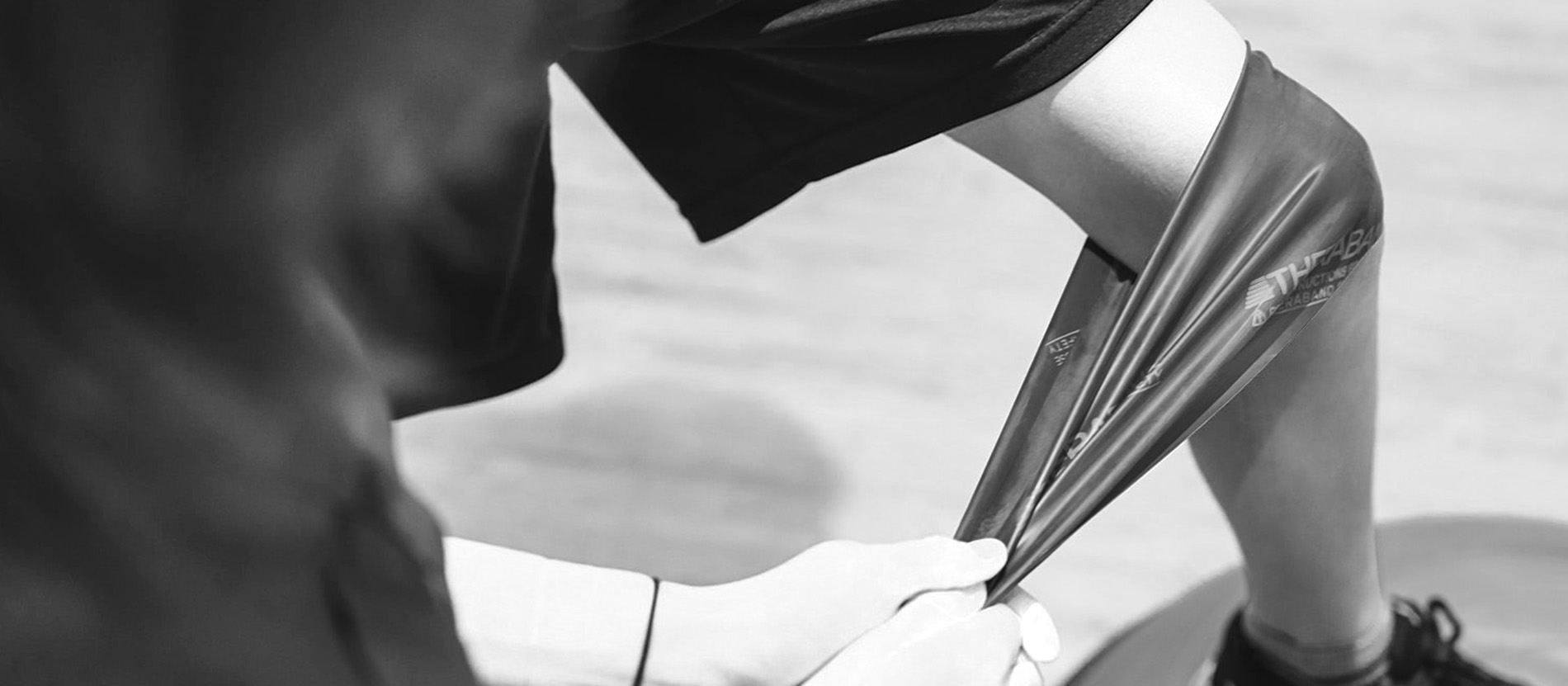
As your tolerance improves, your therapist will gradually increase exercise intensity and complexity. This might include resistance training with bands or light weights, balance exercises, or functional activities like stairs and standing transitions. The key principle is consistency-regular, moderate activity is far more effective and safer than sporadic intense workouts. Your physiotherapist will adjust your program based on how your body responds, ensuring you're challenged enough to progress but not so much that you risk setbacks.
Step 4: Address Specific Complications like Lymphedema or Movement Restrictions
Many cancer survivors develop lymphedema-swelling caused by fluid buildup in the arms, legs, or torso-or experience restricted movement from surgical scar tissue. Movement Solutions Physiotherapy specializes in lymphedema management, using techniques such as manual lymphatic drainage, compression therapy education, and therapeutic exercises to reduce swelling and restore normal fluid movement. Similarly, if you have restricted shoulder motion after breast cancer surgery or limited flexibility after abdominal surgery, specialized manual therapy and targeted stretching can restore function.
These complications are common and manageable when addressed early. Your physiotherapist may combine hands-on manual therapy with home exercises and activity modification strategies. For example, if you're experiencing shoulder pain after cancer treatment, your therapist might use soft tissue mobilization, joint mobilization, and progressive strengthening to restore full range of motion. Addressing these issues promptly prevents compensatory movement patterns that can lead to pain in other areas.
Step 5: Transition to Long-Term Maintenance and Lifestyle Integration
As you progress through formal rehabilitation, your physiotherapist will help you transition toward independent exercise and long-term wellness. This phase focuses on teaching you a sustainable home exercise program-exercises you can perform independently to maintain strength, flexibility, and cardiovascular health. You'll also learn strategies for managing fatigue, pacing activities appropriately, and gradually returning to work, hobbies, and social activities that matter to you.
Your physiotherapist may recommend ongoing check-in sessions periodically to ensure you're staying on track and adjusting your program as needed. Some survivors benefit from telehealth or virtual physiotherapy sessions during this maintenance phase, allowing you to access professional guidance from home. Whether you're in Waterdown, Carlisle, Dundas, Ancaster, Burlington, Hamilton, Cambridge, or Flamborough, Movement Solutions Physiotherapy supports your long-term recovery through flexible, accessible care. Cancer Rehabilitation In Waterdown Ontario doesn't end when formal therapy concludes-it evolves into a sustainable lifestyle that supports your health and quality of life going forward.
Additional Considerations for Your Cancer Rehabilitation Journey
Beyond these five core steps, effective cancer rehabilitation often includes emotional and psychosocial support. Many cancer survivors experience anxiety, depression, or fear about recurrence, which can affect motivation and participation in rehabilitation. Your physiotherapy team can recommend counseling resources, support groups, or other wellness services that complement your physical recovery.
Nutrition, sleep quality, and stress management also play important roles in recovery. Your physiotherapist can discuss these factors and coordinate with your medical team-including your oncologist and general practitioner-to ensure your rehabilitation supports your overall health. Open communication between all members of your care team ensures your physical rehabilitation aligns with your broader recovery goals.
Frequently Asked Questions
When can I start cancer rehabilitation after treatment?
Most cancer survivors can begin gentle rehabilitation within days to weeks of completing surgery or finishing chemotherapy or radiation, depending on medical clearance from their oncologist. Your physiotherapist will work with your medical team to determine the appropriate timing and intensity for your specific situation. Starting rehabilitation early-even with gentle movement-helps prevent deconditioning, reduces fatigue, and supports better long-term outcomes.
What is the typical duration of cancer rehabilitation in Waterdown Ontario?
Cancer rehabilitation timelines vary widely depending on the type of cancer, treatment received, and individual recovery speed. Some survivors benefit from 8-12 weeks of structured physiotherapy, while others may benefit from longer programs. Your physiotherapist will reassess progress regularly and adjust the duration based on your goals and functional improvements. Many survivors continue with maintenance exercises independently or through periodic check-ins long after formal rehabilitation concludes.
Is cancer rehabilitation covered by insurance in Ontario?
Coverage varies depending on your individual insurance plan. Many extended health insurance plans cover physiotherapy services, including cancer rehabilitation. It's best to contact your insurance provider directly to understand your coverage limits, deductibles, and any referral requirements. Movement Solutions Physiotherapy can also help you navigate insurance questions and discuss payment options if coverage is limited.

Our Services
We offer a range of services from our highly experienced and friendly staff.

Manual Therapy
Shown to be an effective treatment for a variety of conditions, including back pain, neck pain, headaches, tendonitis, and post–surgical rehab

Exercise Prescription
Provided by your physiotherapist, it provides a personalized plan that meets your individual needs

Gunn IMS
(dry needling)
Utilizing acupuncture needles (a small fine solid needle) to specifically target injured muscles that have contracted and become shortened from distress

Acupuncture
By activating the natural pain control and healing mechanisms of the body, it can improve local circulation and muscle nutrition, restoring muscle strength and decreasing pain

Education
As a key philosophy at Movement Solutions, we provide you with the information needed to assist and educate yourself as you work through your rehabilitation goals

Taping
Commonly used to provide support to an injured area and to assist in the healing process, but can also be used to improve posture, reduce inflammation, and improve mobility

IASTM
Instrument assisted soft tissue mobilization refers to specialized instruments that are used in place of a physiotherapist’s hands. These instruments allow for a more direct treatment of the soft tissues involved with movement

Cancer rehabilitation
An important part of cancer treatment, as it helps to improve physical and emotional functioning and overall quality of life

Lymphedema Management
The lymphatic system is responsible for helping to move lymph fluid to lymph nodes where it is broken down and then transported for elimination

ADP authorizer for lymphedema compression garments
A government program that provides funding for compression garments that are needed daily.

Sports related injury and prevention
While these injuries can be common, they can be prevented with proper training and conditioning

Telehealth – virtual physiotherapy
A great way for patients to access physiotherapy services without needing to attend an in-person appointment

Hands On
At Movement Solutions we offer a hands on approach to physiotherapy care. During each appointment your physiotherapist will evaluate and treat your injury using manual therapy based skills.

One On One
Our practice is to provide one on one care. Your physiotherapist will spend your entire appointment with you.

Client Specific
Our client specific approach means that your physiotherapist will listen closely to you throughout each session to determine your needs.

I have been treated by the team at Movement Solutions on and off for over 15 years for a multitude of injuries (back, high ankle, hip, shoulder, etc). Blair was able to fix a plaguing multiyear shoulder injury that other physiotherapists were unable to permanently fix prior to me finding Movement Solutions. Blair was able to alleviate, strengthen, and allow me to regain range of motion for this injury.
SC
The team at Movement Solutions understands that not everyone can take time off work to heal. They provide effective exercises that can be done at home or at work. The clinic also shows responsible patient care as they aren’t afraid to make referrals to other healthcare resources as needed, and to advocate for their clients to ensure they get additional healthcare they need. In one example, my son was undergoing treatment for his shoulder. However, when he entered the clinic limping due to a volleyball injury suffered earlier in the day, his physiotherapist took a look and immediately sent us to the hospital for x-rays and sure enough multiple bones in my son’s foot were broken.
JC
I’ve been lucky enough to be a patient of Blair’s for many years. I had suffered for years with chronic pain from a broken back, but with Blair’s expertise and care, I’m back to my fully active lifestyle. I still turn to Blair whenever I tweak something. He’s always able to diagnose and treat the problem, and then tailor an exercise plan that works for me. I highly recommend Blair and all of the team at Movement Solutions!
MG


We Are Ready To Help
Give us a call to discuss your health challenge. When you are ready, we are happy to begin your recovery journey.