

Injury Recovery Center Near Me
When searching for an "injury recovery center near me," you're likely looking for professional support to regain strength, mobility, and function after an injury or surgery. An injury recovery center near me provides structured rehabilitation designed to address pain, restore range of motion, and help you return safely to daily activities and sports. Understanding what these facilities offer, how they differ, and what to expect can help you make an informed decision about your recovery path.
1. Comprehensive Assessment Is the Foundation of Effective Recovery
A quality injury recovery center near me begins with a thorough evaluation, not just a quick consultation. This assessment typically includes movement screening, pain assessment, strength testing, and a detailed history of your injury. The clinician observes how you move, identifies compensatory patterns, and determines which structures are affected. This analytical approach allows practitioners to distinguish between symptoms and underlying causes, ensuring treatment targets the root issue rather than masking pain temporarily.
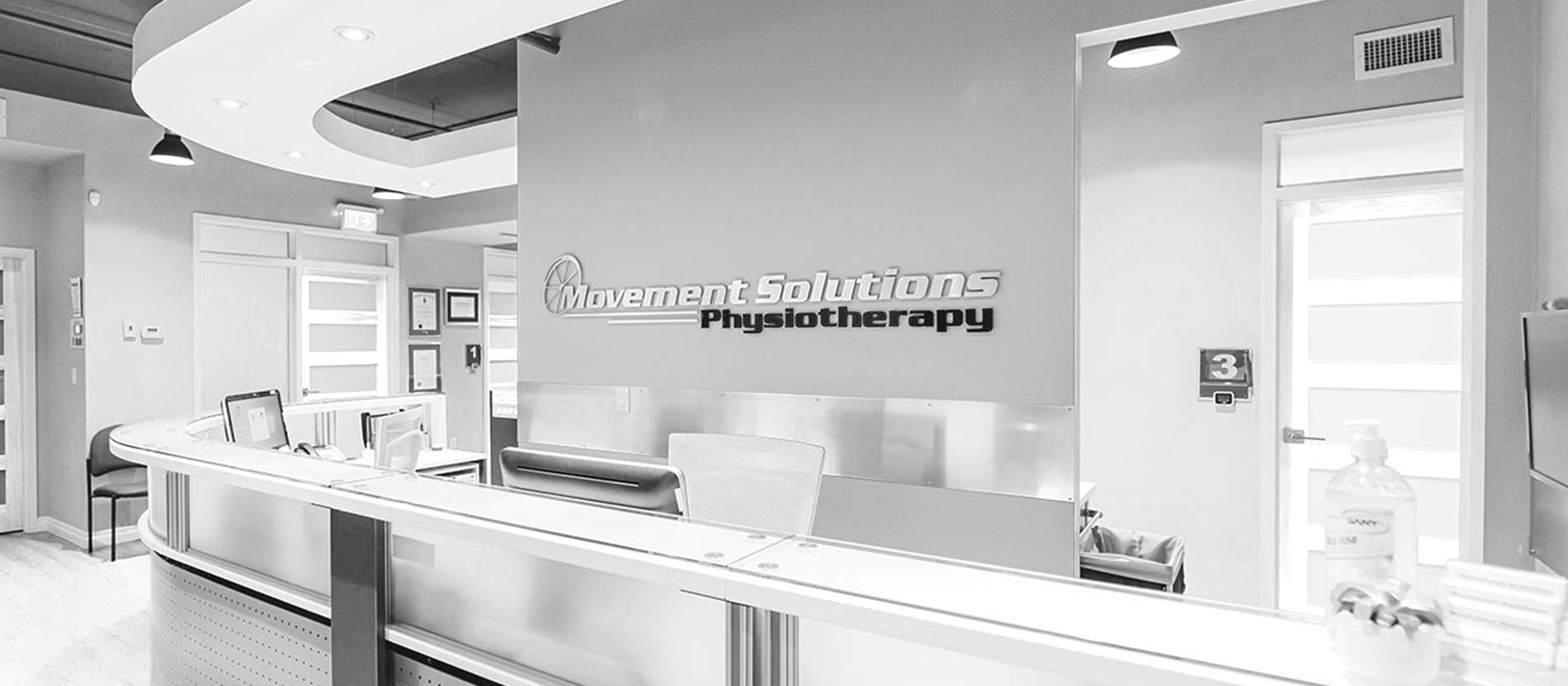
When comparing different centers, ask whether the initial assessment takes 30-60 minutes and results in a written plan of care. Movement Solutions Physiotherapy, with multiple locations across the Greater Toronto Area including Waterdown, Carlisle, Dundas, Ancaster, Burlington, Hamilton, Cambridge, and Flamborough, provides this level of detailed assessment as part of their evidence-based approach.
2. Manual Therapy and Exercise Prescription Work Best Together
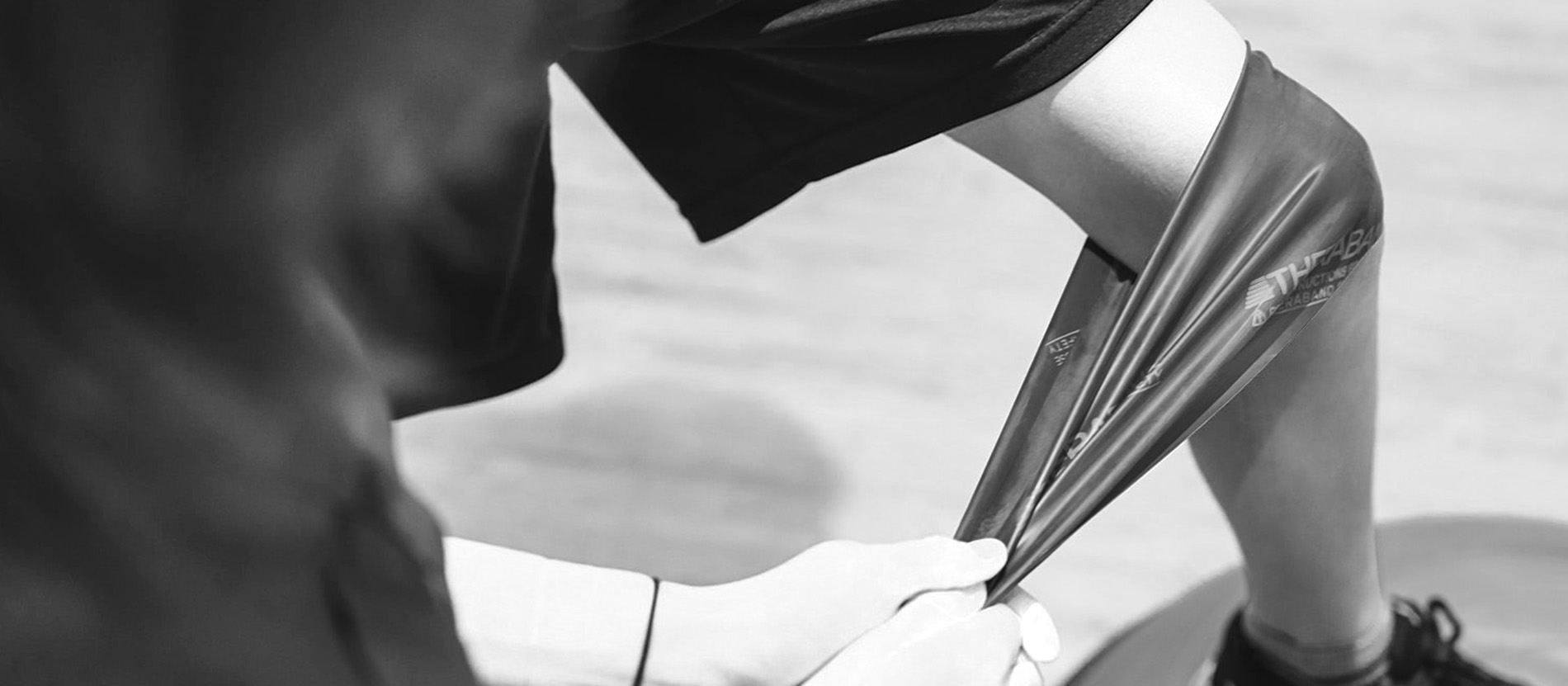
Hands-on manual therapy-such as soft tissue mobilization, joint mobilization, and targeted stretching-addresses immediate pain and stiffness. However, research demonstrates that manual therapy combined with progressive exercise prescription produces superior long-term outcomes. The data suggests that exercise helps restore functional capacity, prevent re-injury, and build resilience in affected tissues. An injury recovery center near me should balance immediate relief with progressive strengthening tailored to your goals.
Effective rehabilitation follows a progression: pain management first, then mobility restoration, followed by strengthening, and finally sport- or activity-specific training. This sequence ensures that tissues heal properly while you regain confidence in movement.
3. Specialized Treatments Expand Recovery Options
Beyond standard physiotherapy, many modern injury recovery centers offer specialized modalities that can accelerate healing. Gunn IMS (Dry Needling) and acupuncture, for example, target muscular trigger points and nervous system dysfunction to reduce pain and improve tissue healing. These techniques are particularly effective for chronic pain patterns that haven't responded to conventional approaches. When evaluating an injury recovery center near me, check whether practitioners are trained and credentialed in these specialized treatments.
Additional specialized services may include:
- Cancer rehabilitation and post-treatment recovery
- Lymphedema management
- Sports injury prevention and return-to-play protocols
- Telehealth and virtual physiotherapy for convenience
4. Evidence-Based Practice Means Measurable Progress
An injury recovery center near me grounded in evidence-based practice uses validated outcome measures to track your progress objectively. Rather than relying solely on subjective feelings, clinicians use tools like pain scales, functional movement tests, and strength measurements to document improvement. This approach provides accountability and allows your treatment plan to be adjusted based on data rather than assumption. Because progress is measured consistently, you and your clinician can make informed decisions about advancing intensity or modifying exercises.
With over 90 years of collective clinical experience across their team, Movement Solutions Physiotherapy applies current research and best practices to every client, ensuring your recovery plan reflects the latest evidence in rehabilitation science.
5. Location and Accessibility Support Consistency in Care
Consistency is critical for injury recovery; missing sessions or extending the time between appointments can slow progress and increase re-injury risk. An injury recovery center near me reduces barriers to attendance. Multi-location clinics allow you to visit the facility most convenient to your home, work, or school. Additionally, some centers now offer telehealth options, which expand accessibility for clients with mobility limitations or scheduling constraints. When comparing options, evaluate whether the center offers flexible scheduling, multiple locations within the Greater Toronto Area, and virtual appointments when appropriate.
The choice of location also affects continuity of care; working with the same clinician across multiple sessions builds trust and allows your therapist to refine their understanding of your specific movement patterns and goals.
Frequently Asked Questions
What should I expect during my first visit to an injury recovery center near me?
Your first visit typically includes a comprehensive assessment lasting 45-60 minutes, where the clinician takes a detailed history, performs movement and strength testing, and discusses your goals. You'll receive a diagnosis explanation, an initial treatment session, and a customized plan of care with specific exercises and follow-up visit frequency.
How long does it usually take to recover from an injury at a rehabilitation center?
Recovery timelines vary widely depending on injury type, severity, age, and adherence to treatment. Acute injuries may improve in 4-8 weeks, while complex or chronic conditions might require 12-16 weeks or longer. Your clinician will provide a more specific estimate after the initial assessment.
Is physiotherapy better than rest alone for injury recovery?
Research shows that active rehabilitation-combining appropriate rest with guided movement and exercise-produces better functional outcomes than rest alone. Structured physiotherapy accelerates healing, prevents stiffness and muscle loss, and reduces the risk of chronic pain or re-injury compared to passive recovery.
Can I do virtual physiotherapy, or do I need to visit an injury recovery center in person?
Many injury recovery centers now offer virtual physiotherapy for certain conditions and stages of recovery. Virtual sessions work well for exercise instruction, progress monitoring, and follow-up visits, though hands-on manual therapy and initial assessments are typically best performed in person.
What is Gunn IMS, and how does it help with injury recovery?
Gunn IMS (Intramuscular Stimulation) is a dry needling technique that targets muscular trigger points and addresses nerve dysfunction. It reduces pain, improves blood flow, and helps reset dysfunctional muscle patterns, making it particularly useful for chronic pain conditions that haven't responded to other treatments.
How do I find a reputable injury recovery center near me?
Look for clinics with licensed physiotherapists, evidence-based treatment approaches, detailed initial assessments, and positive client testimonials. Check whether the center offers specialized services relevant to your injury and whether multiple locations or flexible scheduling are available.
Do I need a doctor's referral to visit an injury recovery center?
In Ontario, you can self-refer directly to a licensed physiotherapist without a doctor's referral, though some insurance benefits may require one. Confirm with your physiotherapist or insurance provider regarding any referral requirements that apply to your situation.

Our Services
We offer a range of services from our highly experienced and friendly staff.

Manual Therapy
Shown to be an effective treatment for a variety of conditions, including back pain, neck pain, headaches, tendonitis, and post–surgical rehab

Exercise Prescription
Provided by your physiotherapist, it provides a personalized plan that meets your individual needs

Gunn IMS
(dry needling)
Utilizing acupuncture needles (a small fine solid needle) to specifically target injured muscles that have contracted and become shortened from distress

Acupuncture
By activating the natural pain control and healing mechanisms of the body, it can improve local circulation and muscle nutrition, restoring muscle strength and decreasing pain

Education
As a key philosophy at Movement Solutions, we provide you with the information needed to assist and educate yourself as you work through your rehabilitation goals

Taping
Commonly used to provide support to an injured area and to assist in the healing process, but can also be used to improve posture, reduce inflammation, and improve mobility

IASTM
Instrument assisted soft tissue mobilization refers to specialized instruments that are used in place of a physiotherapist’s hands. These instruments allow for a more direct treatment of the soft tissues involved with movement

Cancer rehabilitation
An important part of cancer treatment, as it helps to improve physical and emotional functioning and overall quality of life

Lymphedema Management
The lymphatic system is responsible for helping to move lymph fluid to lymph nodes where it is broken down and then transported for elimination

ADP authorizer for lymphedema compression garments
A government program that provides funding for compression garments that are needed daily.

Sports related injury and prevention
While these injuries can be common, they can be prevented with proper training and conditioning

Telehealth – virtual physiotherapy
A great way for patients to access physiotherapy services without needing to attend an in-person appointment

Hands On
At Movement Solutions we offer a hands on approach to physiotherapy care. During each appointment your physiotherapist will evaluate and treat your injury using manual therapy based skills.

One On One
Our practice is to provide one on one care. Your physiotherapist will spend your entire appointment with you.

Client Specific
Our client specific approach means that your physiotherapist will listen closely to you throughout each session to determine your needs.

I have been treated by the team at Movement Solutions on and off for over 15 years for a multitude of injuries (back, high ankle, hip, shoulder, etc). Blair was able to fix a plaguing multiyear shoulder injury that other physiotherapists were unable to permanently fix prior to me finding Movement Solutions. Blair was able to alleviate, strengthen, and allow me to regain range of motion for this injury.
SC
The team at Movement Solutions understands that not everyone can take time off work to heal. They provide effective exercises that can be done at home or at work. The clinic also shows responsible patient care as they aren’t afraid to make referrals to other healthcare resources as needed, and to advocate for their clients to ensure they get additional healthcare they need. In one example, my son was undergoing treatment for his shoulder. However, when he entered the clinic limping due to a volleyball injury suffered earlier in the day, his physiotherapist took a look and immediately sent us to the hospital for x-rays and sure enough multiple bones in my son’s foot were broken.
JC
I’ve been lucky enough to be a patient of Blair’s for many years. I had suffered for years with chronic pain from a broken back, but with Blair’s expertise and care, I’m back to my fully active lifestyle. I still turn to Blair whenever I tweak something. He’s always able to diagnose and treat the problem, and then tailor an exercise plan that works for me. I highly recommend Blair and all of the team at Movement Solutions!
MG


We Are Ready To Help
Give us a call to discuss your health challenge. When you are ready, we are happy to begin your recovery journey.