

Knee Pain Treatment Cambridge
Understanding knee pain and exploring your treatment options is essential for anyone experiencing discomfort in this critical joint. Whether you're dealing with acute injury, chronic pain, or post-surgical recovery, knee pain treatment Cambridge through physiotherapy offers a pathway to relief and restored function. Let's explore what causes knee pain, how physiotherapists assess and treat it, and what you can expect from evidence-based rehabilitation care.
What Causes Knee Pain and Why Treatment Matters
Your knee is one of the largest and most complex joints in your body. It bears significant weight during daily activities-walking, climbing stairs, sitting, and standing-while also maintaining stability and allowing smooth movement. When something goes wrong with this joint, the impact on your quality of life can be substantial.
Knee pain arises from many different sources. Common causes include ligament injuries like ACL or MCL tears, meniscus damage, osteoarthritis, patellar tracking problems, tendinitis, and muscle imbalances. Sometimes pain develops gradually from overuse or poor movement patterns, while other times it results from a specific injury or accident. Regardless of the cause, seeking appropriate knee pain treatment Cambridge ensures you address the underlying problem rather than simply masking symptoms.
Delaying treatment often leads to compensation patterns-where your body adjusts movement to avoid pain, creating problems in your hips, ankles, or lower back. Early intervention through physiotherapy prevents these secondary issues and accelerates your return to the activities you enjoy.
How Physiotherapists Assess and Diagnose Knee Issues
The foundation of effective knee pain treatment Cambridge begins with thorough assessment. At Movement Solutions Physiotherapy, clinicians across our locations in Waterdown, Carlisle, Dundas, Ancaster, Burlington, Hamilton, Cambridge, and Flamborough follow a comprehensive evaluation process.
Your physiotherapist will start by listening to your story-when the pain began, what activities make it worse, and how it affects your daily life. They'll then perform specific tests to assess your knee's range of motion, strength, stability, and alignment. Special diagnostic maneuvers help identify which structures are involved: ligaments, cartilage, tendons, or muscles. Many patients are surprised by how much information a skilled physiotherapist can gather through hands-on assessment without requiring imaging.
Understanding your movement patterns is equally important. Your therapist observes how you walk, climb stairs, and perform sport-specific movements to identify faulty patterns contributing to your pain. This detailed analysis guides your personalized treatment plan, ensuring interventions target the actual problem rather than treating symptoms in isolation.
Evidence-Based Treatment Approaches for Knee Pain
Effective knee pain treatment Cambridge combines multiple therapeutic approaches tailored to your specific condition and goals. Manual therapy-hands-on techniques including joint mobilization and soft tissue work-reduces pain and restores mobility. Your physiotherapist uses precise movements to improve how your knee structures move and function.
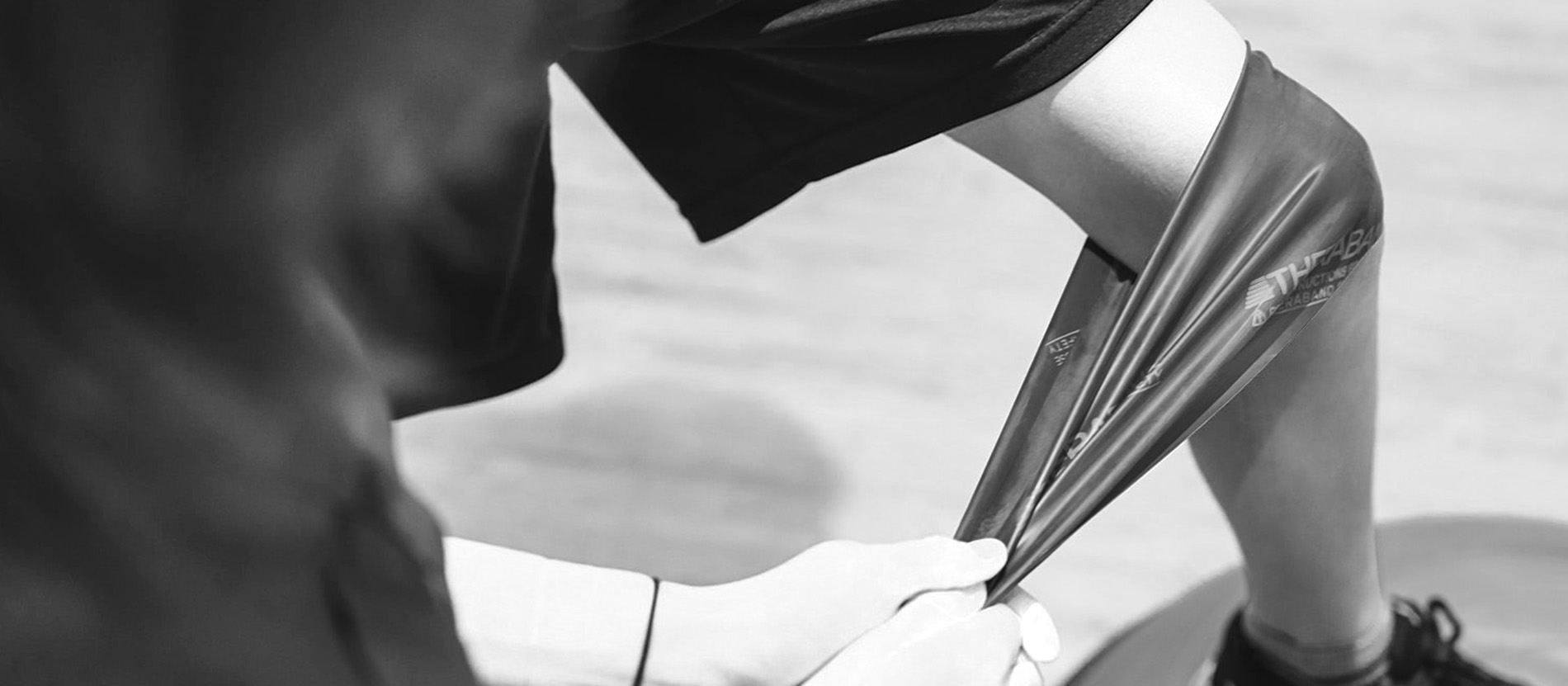
Exercise prescription forms the cornerstone of lasting recovery. Knee pain often reflects weakness in the muscles surrounding your knee, particularly your quadriceps and hip abductors. A structured exercise program progressively builds strength, enhances stability, and restores proper movement patterns. Unlike generic exercises found online, personalized prescriptions address your unique limitations and progress systematically as you improve.
For certain conditions, specialized treatments enhance outcomes. Gunn IMS (Dry Needling) and acupuncture are evidence-based techniques that address muscular tension and trigger points contributing to knee pain. These approaches work alongside manual therapy and exercise to accelerate healing. Telehealth consultations also provide convenient options for patients monitoring their progress or receiving guidance from Movement Solutions' clinicians without traveling to one of our multiple Greater Toronto Area locations.
Specialized Considerations for Different Knee Conditions
While all knee pain requires assessment, different conditions have distinct rehabilitation needs. Post-surgical patients following ACL reconstruction or meniscus repair follow specific protocols to protect healing tissues while gradually restoring strength and proprioception-your body's ability to sense joint position and movement.
Athletes and sports enthusiasts benefit from sport-specific rehabilitation that replicates demands they'll face returning to their activity. A runner's knee pain treatment differs from a basketball player's, reflecting different movement demands and stress patterns. Our sports rehabilitation specialists design programs that progressively challenge tissues with sport-relevant movements.
Osteoarthritis requires a different approach focused on managing symptoms, maintaining function, and slowing progression. Exercise remains essential, but intensity and type adjust to protect already-compromised cartilage while maintaining the strongest possible supporting muscles.
Practical Steps Toward Knee Pain Relief
If you're experiencing knee pain in Cambridge or anywhere across the Greater Toronto Area, several practical steps support your recovery. First, address acute inflammation through rest, ice, and elevation in the initial injury phase-typically the first 48 hours. This reduces swelling and protects healing tissues.
Second, seek professional assessment promptly. What feels like minor discomfort often reflects treatable mechanical problems that worsen without intervention. A physiotherapist determines whether your knee needs imaging or medical evaluation, or whether evidence-based physiotherapy alone addresses your condition.
Third, commit to your prescribed exercises. Recovery requires active participation. Consistency matters more than intensity-daily adherence to lighter exercises produces better results than sporadic intense efforts. Most patients notice improvement within 2-4 weeks of regular physiotherapy, with full recovery taking several weeks to months depending on condition severity.
Finally, work with your physiotherapist on prevention strategies. Understanding what contributed to your pain-whether it's inadequate warm-up, muscle imbalances, or poor movement technique-allows you to prevent recurrence. Movement Solutions Physiotherapy emphasizes long-term function and injury prevention alongside immediate pain relief, empowering you to maintain the active lifestyle you value.
Frequently Asked Questions
How long does knee pain treatment typically take to show results?
Most patients experience noticeable improvement within 2-4 weeks of consistent physiotherapy, though this varies based on the underlying condition and your commitment to prescribed exercises. Conditions like ligament injuries or post-surgical recovery typically require 6-12 weeks for complete healing, while chronic conditions may show gradual progress over a longer timeframe.
Can physiotherapy treat knee pain without surgery?
Yes, physiotherapy successfully treats many knee conditions without surgery, including muscle imbalances, ligament sprains, tendinitis, and osteoarthritis. However, certain severe injuries like complete ligament tears may require surgical repair. Your physiotherapist can assess whether your condition is appropriate for conservative treatment or if medical consultation is needed.
What exercises help relieve knee pain at home?
Effective exercises depend on your specific diagnosis, but commonly prescribed ones include quadriceps strengthening, hip abductor exercises, and hamstring stretches. Your physiotherapist provides a personalized program tailored to your condition-attempting generic exercises without proper assessment may worsen your pain if they don't address your underlying problem.
Is knee pain treatment Cambridge available through virtual sessions?
Yes, Movement Solutions Physiotherapy offers telehealth consultations for patients preferring remote care or needing follow-up guidance between in-person visits. While some hands-on techniques require in-person sessions, virtual appointments effectively provide assessment, exercise instruction, and progress monitoring across Cambridge and the Greater Toronto Area.
What's the difference between physiotherapy and just resting a sore knee?
Rest alone stops activity but doesn't address the underlying cause of your pain or prevent muscle weakness and stiffness. Physiotherapy combines strategic rest with targeted interventions-manual therapy, strengthening, and movement re-education-to restore function and prevent long-term problems that develop from inactivity.
Does dry needling help knee pain?
Gunn IMS (Dry Needling) is effective for knee pain caused by muscular tension and trigger points surrounding the joint. This technique stimulates healing and reduces muscle tightness that contributes to pain and movement restriction, often producing rapid relief when combined with exercise and manual therapy.
When should I see a physiotherapist for knee pain instead of waiting?
You should consult a physiotherapist promptly if knee pain persists beyond a few days, significantly limits your activities, or follows an injury or accident. Early intervention prevents compensation injuries and chronic patterns from developing, leading to faster recovery and better outcomes than delaying treatment until problems compound.

Our Services
We offer a range of services from our highly experienced and friendly staff.

Manual Therapy
Shown to be an effective treatment for a variety of conditions, including back pain, neck pain, headaches, tendonitis, and post–surgical rehab

Exercise Prescription
Provided by your physiotherapist, it provides a personalized plan that meets your individual needs

Gunn IMS
(dry needling)
Utilizing acupuncture needles (a small fine solid needle) to specifically target injured muscles that have contracted and become shortened from distress

Acupuncture
By activating the natural pain control and healing mechanisms of the body, it can improve local circulation and muscle nutrition, restoring muscle strength and decreasing pain

Education
As a key philosophy at Movement Solutions, we provide you with the information needed to assist and educate yourself as you work through your rehabilitation goals

Taping
Commonly used to provide support to an injured area and to assist in the healing process, but can also be used to improve posture, reduce inflammation, and improve mobility

IASTM
Instrument assisted soft tissue mobilization refers to specialized instruments that are used in place of a physiotherapist’s hands. These instruments allow for a more direct treatment of the soft tissues involved with movement

Cancer rehabilitation
An important part of cancer treatment, as it helps to improve physical and emotional functioning and overall quality of life

Lymphedema Management
The lymphatic system is responsible for helping to move lymph fluid to lymph nodes where it is broken down and then transported for elimination

ADP authorizer for lymphedema compression garments
A government program that provides funding for compression garments that are needed daily.

Sports related injury and prevention
While these injuries can be common, they can be prevented with proper training and conditioning

Telehealth – virtual physiotherapy
A great way for patients to access physiotherapy services without needing to attend an in-person appointment

Hands On
At Movement Solutions we offer a hands on approach to physiotherapy care. During each appointment your physiotherapist will evaluate and treat your injury using manual therapy based skills.

One On One
Our practice is to provide one on one care. Your physiotherapist will spend your entire appointment with you.

Client Specific
Our client specific approach means that your physiotherapist will listen closely to you throughout each session to determine your needs.

I have been treated by the team at Movement Solutions on and off for over 15 years for a multitude of injuries (back, high ankle, hip, shoulder, etc). Blair was able to fix a plaguing multiyear shoulder injury that other physiotherapists were unable to permanently fix prior to me finding Movement Solutions. Blair was able to alleviate, strengthen, and allow me to regain range of motion for this injury.
SC
The team at Movement Solutions understands that not everyone can take time off work to heal. They provide effective exercises that can be done at home or at work. The clinic also shows responsible patient care as they aren’t afraid to make referrals to other healthcare resources as needed, and to advocate for their clients to ensure they get additional healthcare they need. In one example, my son was undergoing treatment for his shoulder. However, when he entered the clinic limping due to a volleyball injury suffered earlier in the day, his physiotherapist took a look and immediately sent us to the hospital for x-rays and sure enough multiple bones in my son’s foot were broken.
JC
I’ve been lucky enough to be a patient of Blair’s for many years. I had suffered for years with chronic pain from a broken back, but with Blair’s expertise and care, I’m back to my fully active lifestyle. I still turn to Blair whenever I tweak something. He’s always able to diagnose and treat the problem, and then tailor an exercise plan that works for me. I highly recommend Blair and all of the team at Movement Solutions!
MG


We Are Ready To Help
Give us a call to discuss your health challenge. When you are ready, we are happy to begin your recovery journey.