

Knee Pain Treatment Dundas
Are you dealing with persistent knee pain that's affecting your daily life? You're not alone. Knee pain is one of the most common complaints we hear from patients across the Greater Toronto Area, from Waterdown to Hamilton and everywhere in between, including right here in Dundas. Whether you're an active adult, an athlete recovering from injury, or someone managing chronic knee discomfort, understanding how to approach knee pain treatment Dundas offers can make a real difference in your recovery journey.
This guide will walk you through a practical, evidence-based approach to treating knee pain. By following these steps, you'll gain clarity on what's causing your discomfort, learn how to manage it effectively, and discover when professional physiotherapy becomes essential. Movement Solutions Physiotherapy has spent over 90 collective years helping people across our service areas-including Carlisle, Ancaster, Burlington, Cambridge, and Flamborough-regain mobility and confidence in their knees. Let's explore how you can do the same.
Step 1: Identify the Source and Nature of Your Knee Pain
Before you can treat knee pain effectively, you need to understand where it's coming from and what type of pain it is. Take a moment to notice: Is the pain sharp and sudden, or dull and persistent? Does it happen during specific movements, like climbing stairs or bending? Where exactly do you feel it-at the front of the knee, behind it, on the inside, or the outside? These details matter tremendously because different parts of the knee have different structures, and pain from each area may require different approaches.
Write down when your pain started and what triggered it. Did you have an injury or accident? Have you recently increased your activity level? Or did the pain develop gradually without an obvious cause? Also note any accompanying symptoms: swelling, stiffness, clicking sounds, or a feeling of instability. This information becomes invaluable when you eventually consult with a physiotherapist. Understanding your pain pattern helps distinguish between conditions like patellar tendinitis, meniscus issues, arthritis, or ligament strain-each of which benefits from slightly different treatment strategies.
Step 2: Start With Conservative Self-Care and Activity Modification
Most knee pain improves significantly with thoughtful self-care, especially in the early stages. Begin by respecting your body's signals: if an activity causes pain, modify or avoid it temporarily. This doesn't mean complete rest-in fact, gentle movement is usually beneficial. Instead, it means being strategic about what you do and how you do it.
Apply the RICE approach when appropriate: Rest the knee from aggravating activities, apply Ice for 15-20 minutes several times daily if there's acute inflammation, use Compression with a supportive bandage or sleeve, and Elevate your leg when sitting or resting. Over-the-counter pain relievers can help manage discomfort during this phase. Consider what activities trigger your pain and find alternatives: if running hurts, try swimming or cycling. If climbing stairs is problematic, use handrails and take steps one at a time. Wear supportive, comfortable footwear with good shock absorption. These modifications allow your knee to begin healing while you maintain some level of activity and fitness.
Step 3: Incorporate Targeted Exercises and Stretches
Once acute pain has settled, gentle, targeted exercises become powerful tools for recovery. Strengthening the muscles around your knee-particularly your quadriceps, hamstrings, and hip muscles-provides better support and stability to the joint. Weak muscles force your knee to work harder, perpetuating pain. Stretching tight muscles, especially in your calves, hamstrings, and hip flexors, reduces tension that pulls on the knee joint.
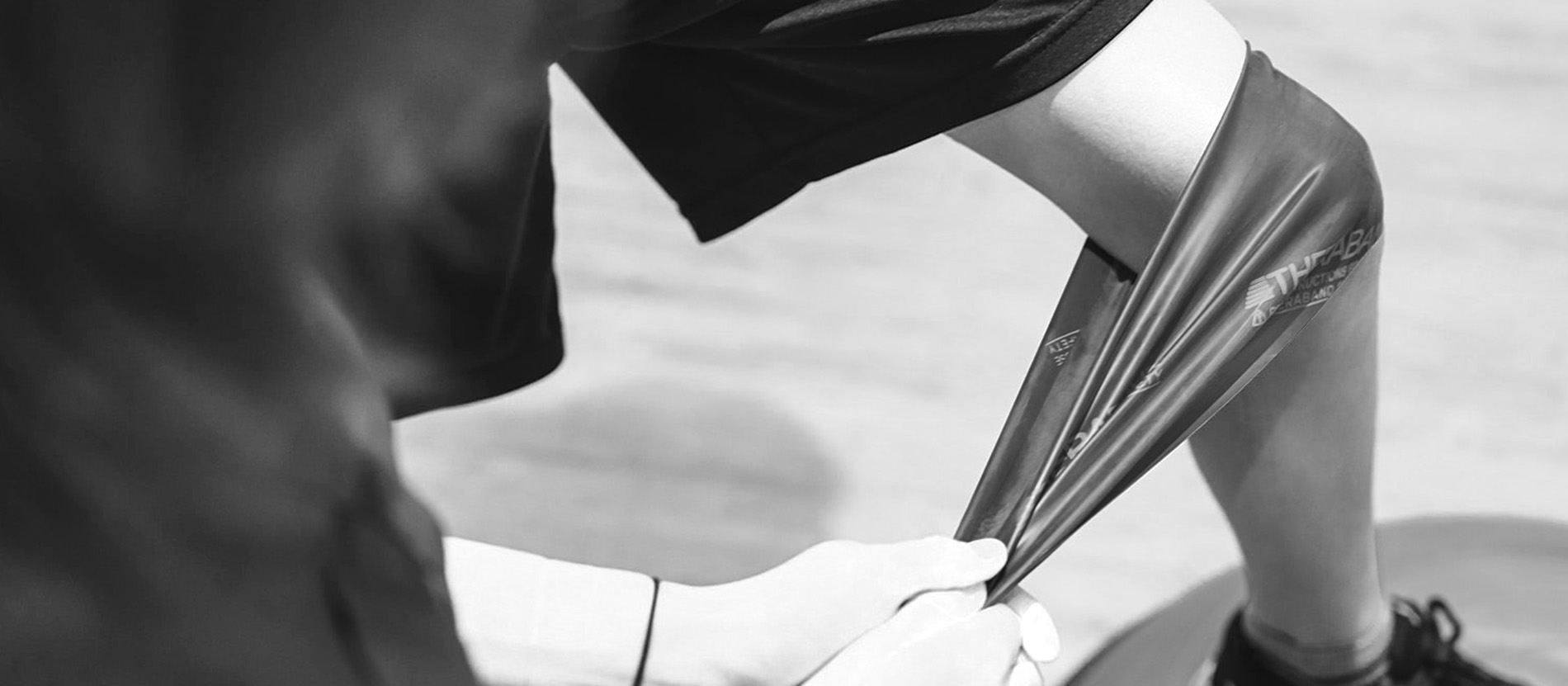
Start with low-impact exercises: straight leg raises while lying down, seated knee extensions, gentle squats using a wall for support, calf stretches, and hamstring stretches. Perform these slowly and mindfully, stopping immediately if you experience sharp pain (mild discomfort is normal). Aim for 10-15 repetitions of each exercise, two to three times daily. Progressive strengthening is key-as exercises become easier, gradually increase repetitions or intensity. However, remember that exercise prescription should be personalized to your specific condition. If you're unsure which exercises suit your situation, or if your knee pain doesn't improve within two to three weeks of consistent self-care, that's when knee pain treatment Dundas through professional physiotherapy becomes valuable.
Step 4: Seek Professional physiotherapy assessment and Treatment
If your knee pain persists beyond two to three weeks, worsens despite self-care efforts, or significantly limits your activities, professional evaluation is the next logical step. A physiotherapist will perform a thorough assessment, including movement tests, strength evaluations, and possibly recommendation for imaging if needed. They'll identify the root cause of your pain-something self-diagnosis often misses-and develop a personalized treatment plan specifically for you.
Professional knee pain treatment Dundas through Movement Solutions Physiotherapy includes evidence-based interventions like manual therapy to improve joint mobility and soft tissue function, customized exercise programs tailored to your condition and goals, and specialized treatments such as Gunn IMS (dry needling) for stubborn pain, or therapeutic techniques targeting specific structures. Our physiotherapists across the Greater Toronto Area, serving communities from Waterdown to Hamilton, work one-on-one with you to ensure proper form, monitor progress, and adjust your treatment as you heal. Many patients also find that having professional guidance accelerates recovery, prevents re-injury, and restores confidence in their knee's stability. If in-person visits aren't convenient, virtual physiotherapy options are available for initial consultations and ongoing guidance.
Beyond the immediate treatment, your physiotherapist will educate you on long-term strategies: movement patterns to adopt, activities to favor, and maintenance exercises to prevent future problems. This education empowers you to take active control of your knee health. Recovery timelines vary depending on the underlying cause, but consistent engagement with your treatment plan typically produces noticeable improvement within four to six weeks. By combining professional guidance with your commitment to exercises and lifestyle modifications, you give your knee the best chance at returning to pain-free function.
Frequently Asked Questions
How long does knee pain treatment in Dundas typically take?
Recovery time depends on the underlying cause of your knee pain and how consistently you follow your treatment plan. Most patients experience noticeable improvement within four to six weeks of regular physiotherapy combined with home exercises and activity modification. Chronic or complex conditions may require longer treatment periods. Your physiotherapist will provide a more specific timeline after assessing your individual situation.
When should I see a physiotherapist for knee pain?
You should consider professional evaluation if knee pain persists beyond two to three weeks despite self-care efforts, worsens over time, causes swelling or instability, or significantly limits your daily activities or sports. Early intervention often prevents compensation patterns and speeds recovery. Even if you're unsure, a consultation allows a trained physiotherapist to determine whether treatment is needed or if continued self-care is appropriate.
What causes knee pain, and how do physiotherapists diagnose it?
Knee pain can stem from many sources: muscle weakness, joint alignment issues, overuse injuries, acute trauma, arthritis, or imbalances in surrounding areas like hips or ankles. Physiotherapists use movement assessments, strength tests, and careful history-taking to identify the root cause. This diagnostic process guides your personalized treatment plan rather than applying a one-size-fits-all approach.
Can I treat knee pain at home, or do I always need a physiotherapist?
Many mild cases of knee pain improve with home care: rest, ice, compression, gentle exercises, and activity modification. However, if pain persists beyond two to three weeks, professional assessment is recommended to rule out serious injury and develop an effective treatment strategy. Professional guidance also ensures you're doing exercises correctly and progressing safely.
Does knee pain treatment in Dundas include hands-on therapy?
Yes. Movement Solutions Physiotherapy specializes in hands-on, one-on-one care including manual therapy techniques that improve joint mobility, reduce soft tissue restrictions, and address pain. Manual therapy is often combined with exercise prescription and other evidence-based interventions like Gunn IMS for comprehensive, personalized treatment tailored to your specific knee condition.

Our Services
We offer a range of services from our highly experienced and friendly staff.

Manual Therapy
Shown to be an effective treatment for a variety of conditions, including back pain, neck pain, headaches, tendonitis, and post–surgical rehab

Exercise Prescription
Provided by your physiotherapist, it provides a personalized plan that meets your individual needs

Gunn IMS
(dry needling)
Utilizing acupuncture needles (a small fine solid needle) to specifically target injured muscles that have contracted and become shortened from distress

Acupuncture
By activating the natural pain control and healing mechanisms of the body, it can improve local circulation and muscle nutrition, restoring muscle strength and decreasing pain

Education
As a key philosophy at Movement Solutions, we provide you with the information needed to assist and educate yourself as you work through your rehabilitation goals

Taping
Commonly used to provide support to an injured area and to assist in the healing process, but can also be used to improve posture, reduce inflammation, and improve mobility

IASTM
Instrument assisted soft tissue mobilization refers to specialized instruments that are used in place of a physiotherapist’s hands. These instruments allow for a more direct treatment of the soft tissues involved with movement

Cancer rehabilitation
An important part of cancer treatment, as it helps to improve physical and emotional functioning and overall quality of life

Lymphedema Management
The lymphatic system is responsible for helping to move lymph fluid to lymph nodes where it is broken down and then transported for elimination

ADP authorizer for lymphedema compression garments
A government program that provides funding for compression garments that are needed daily.

Sports related injury and prevention
While these injuries can be common, they can be prevented with proper training and conditioning

Telehealth – virtual physiotherapy
A great way for patients to access physiotherapy services without needing to attend an in-person appointment

Hands On
At Movement Solutions we offer a hands on approach to physiotherapy care. During each appointment your physiotherapist will evaluate and treat your injury using manual therapy based skills.

One On One
Our practice is to provide one on one care. Your physiotherapist will spend your entire appointment with you.

Client Specific
Our client specific approach means that your physiotherapist will listen closely to you throughout each session to determine your needs.

I have been treated by the team at Movement Solutions on and off for over 15 years for a multitude of injuries (back, high ankle, hip, shoulder, etc). Blair was able to fix a plaguing multiyear shoulder injury that other physiotherapists were unable to permanently fix prior to me finding Movement Solutions. Blair was able to alleviate, strengthen, and allow me to regain range of motion for this injury.
SC
The team at Movement Solutions understands that not everyone can take time off work to heal. They provide effective exercises that can be done at home or at work. The clinic also shows responsible patient care as they aren’t afraid to make referrals to other healthcare resources as needed, and to advocate for their clients to ensure they get additional healthcare they need. In one example, my son was undergoing treatment for his shoulder. However, when he entered the clinic limping due to a volleyball injury suffered earlier in the day, his physiotherapist took a look and immediately sent us to the hospital for x-rays and sure enough multiple bones in my son’s foot were broken.
JC
I’ve been lucky enough to be a patient of Blair’s for many years. I had suffered for years with chronic pain from a broken back, but with Blair’s expertise and care, I’m back to my fully active lifestyle. I still turn to Blair whenever I tweak something. He’s always able to diagnose and treat the problem, and then tailor an exercise plan that works for me. I highly recommend Blair and all of the team at Movement Solutions!
MG


We Are Ready To Help
Give us a call to discuss your health challenge. When you are ready, we are happy to begin your recovery journey.