

Knee Pain Treatment Flamborough
Knee pain affects millions of people and can significantly limit your daily activities, whether you're an active adult, athlete, or senior. If you're searching for effective knee pain treatment in Flamborough or nearby areas in the Greater Toronto Area including Waterdown, Carlisle, Dundas, Ancaster, Burlington, Hamilton, and Cambridge, this guide will walk you through a structured approach to understanding and managing your condition. By following these steps, you'll learn how to assess your knee pain, implement evidence-based self-care strategies, and determine when professional physiotherapy intervention is necessary.
Movement Solutions Physiotherapy brings together 90+ collective years of clinical experience in evidence-based rehabilitation. Our multi-location clinics specialize in personalized, hands-on treatment approaches that address the root cause of knee pain rather than just masking symptoms. This guide reflects the same methodical assessment and treatment philosophy our physiotherapists use when developing customized rehabilitation programs.
Step 1: Conduct a Thorough Pain Assessment and Identify Trigger Activities
Begin by documenting your knee pain with technical precision. Note the exact location of pain-is it anterior (front), posterior (back), medial (inner), or lateral (outer)? Record the pain intensity on a 0-10 numeric pain rating scale and describe its quality: sharp, dull, aching, stabbing, or throbbing. This specificity matters because different pain characteristics suggest different underlying mechanisms. For example, sharp anterior knee pain with activity often indicates patellofemoral pain syndrome, while medial joint line pain may suggest meniscal involvement.
Next, identify all activities that trigger or aggravate your symptoms. Create a detailed log of movement patterns-does pain occur with stairs, squatting, running, prolonged sitting, or specific work tasks? Note whether pain is worse with loading (putting weight on the leg) or non-loading activities. Understanding these trigger patterns helps establish which structures are involved and informs the treatment strategy. Also record morning stiffness duration, swelling patterns, and whether symptoms improve or worsen with rest and activity modifications.
Step 2: Apply Immediate Pain Management and Activity Modification Strategies
Implement the evidence-based PEACE and LOAD framework for acute and ongoing pain management. PEACE (Protection, Elevation, Avoid excessive use, Compression, Education) applies to acute flare-ups. If your knee is swollen, apply compression with an elastic bandage (not too tight-you should fit one finger under the wrap), elevate the leg above heart level for 15-20 minutes, and avoid activities that reproduce sharp pain. This protects the knee joint during the acute inflammatory phase and prevents further tissue irritation.
For activity modification, identify pain-free movement ranges and work within them. If stairs trigger pain, use handrails and descend slowly with controlled knee bending. If squatting hurts, reduce the depth of squat or use a chair for support. The goal is to maintain movement and function while avoiding positions that significantly aggravate symptoms. Ice application for 15-20 minutes after activity can reduce pain and swelling, particularly if your knee feels hot or puffy. Alternate between activity and rest periods rather than complete immobilization, which can lead to muscle weakness and stiffness.
Early, targeted activity modification combined with progressive strengthening prevents chronic pain patterns and reduces the risk of compensation injuries in other joints.
Once acute symptoms settle, transition to gentle range-of-motion exercises. Perform knee extensions while seated (straighten your leg fully), knee bends while sitting, and short-distance walking on level surfaces. These movements maintain flexibility and prepare the knee for stronger rehabilitation exercises without provoking excessive inflammation.
Step 3: Develop a Progressive Strengthening and Stability Program
Knee pain often stems from weakness or imbalance in the muscles that support and stabilize the knee joint-primarily the quadriceps, hamstrings, glutes, and hip adductors. Begin with isometric exercises (muscle contractions without joint movement), which build strength while minimizing pain. Perform quadriceps sets: tighten the thigh muscle above the knee while keeping the knee straight, hold for 5 seconds, and repeat 10-15 times. Do this 2-3 times daily. Follow with glute sets: squeeze your buttocks muscles, hold for 5 seconds, and repeat 10-15 times.
Progress to controlled, pain-free dynamic exercises after 3-5 days of isometric work. Perform shallow squats (bending knees only 30-45 degrees) with hands on a counter for balance, completing 2 sets of 10-12 repetitions. Add step-ups onto a low 4-6 inch step, leading with the affected leg and pushing through the heel. Include single-leg stance work: stand on your affected leg for 20-30 seconds while holding onto a chair, building proprioceptive stability and balance. Perform these exercises 4-5 times per week with at least one rest day between sessions to allow tissue recovery.
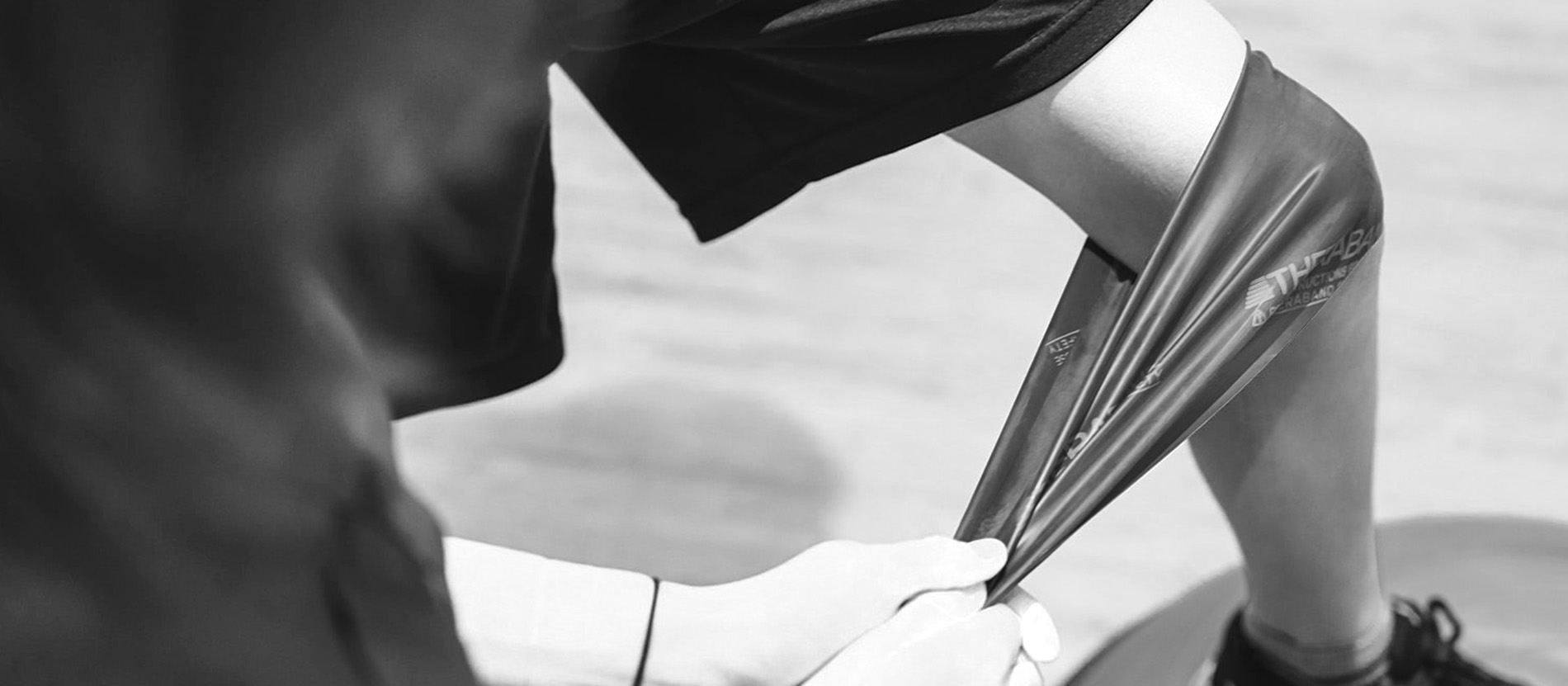
Progress intensity gradually over 4-6 weeks by increasing repetitions, reducing hand support, or adding resistance bands around the thighs during exercises. However, progression should be pain-guided: if an exercise causes sharp pain or significant swelling afterwards, reduce intensity or frequency. Working with a physiotherapist in Flamborough or your nearest Greater Toronto Area location ensures your program progresses appropriately for your specific condition.
Step 4: Address Movement Quality and Biomechanical Patterns
Many knee pain cases involve faulty movement patterns that place excessive stress on the knee joint. Common issues include knee valgus (inward collapse when stepping or squatting), inadequate hip muscle engagement, and poor pelvic stability. These patterns often develop from hip weakness, ankle inflexibility, or habitual postural compensation. Video yourself performing basic movements-stand on one leg, descend stairs, or perform a squat. Watch for knees drifting inward, asymmetrical weight distribution, or excessive forward knee travel beyond the toes.
If you identify movement faults, incorporate corrective exercises targeting the deficient areas. For knee valgus, strengthen hip abductors with side-lying leg lifts: lie on your side and lift the top leg 8-10 inches, complete 15 repetitions, 2-3 sets. If ankle flexibility limits squat depth, perform calf stretches by stepping one foot forward into a lunge position, keeping the back heel down, and holding for 30 seconds per leg. As movement quality improves, re-test your functional activities to confirm reduced knee stress. This biomechanical refinement is essential for long-term pain management and injury prevention.
Step 5: Determine When to Seek Professional Physiotherapy Assessment
If you've followed these steps for 2-3 weeks and experience persistent pain, swelling, instability, or limited function, professional assessment is warranted. Additionally, seek immediate physiotherapy evaluation if you experience acute swelling, locking (knee getting stuck in bent position), sharp catching sensations, or significant loss of strength. These findings suggest potential structural involvement requiring manual therapy expertise and specialized assessment.
Movement Solutions Physiotherapy across Waterdown, Carlisle, Dundas, Ancaster, Burlington, Hamilton, Cambridge, and Flamborough offers evidence-based knee pain treatment through manual therapy, exercise prescription, and specialized techniques like Gunn IMS (intramuscular stimulation). A physiotherapist will perform detailed physical examination including range-of-motion testing, strength assessment, and special knee tests to identify specific tissue involvement. From there, they'll develop a customized rehabilitation program incorporating hands-on treatment, progressive exercise, and activity-specific training to restore function and prevent recurrence. Professional guidance accelerates recovery and prevents the development of chronic pain patterns or compensation injuries.
Frequently Asked Questions
What causes knee pain and when should I see a physiotherapist in Flamborough?
Knee pain results from various causes including muscle weakness, movement pattern faults, overuse, injury, or joint degeneration. You should see a physiotherapist if pain persists beyond 2-3 weeks despite self-care, if you experience swelling or instability, or if pain significantly limits daily activities. Movement Solutions Physiotherapy locations throughout the Greater Toronto Area provide specialized assessment to identify your specific condition and develop targeted treatment.
Can I treat knee pain at home, or do I need professional knee pain treatment?
Many mild to moderate knee pain cases improve with early activity modification, strengthening exercises, and proper progression, making home-based initial management effective. However, if self-directed treatment doesn't produce improvement within 2-3 weeks, or if your knee shows signs of instability, persistent swelling, or catching sensations, professional physiotherapy becomes essential. A physiotherapist can identify underlying structural or biomechanical issues that self-care alone may not address.
How long does knee pain treatment typically take at a Flamborough physiotherapy clinic?
Recovery timelines vary significantly depending on pain severity, underlying cause, and how consistently you follow your rehabilitation program. Mild knee pain may improve within 2-4 weeks with appropriate exercise and modification, while more complex conditions may require 8-12 weeks of progressive treatment. Movement Solutions Physiotherapy creates individualized timelines based on your specific condition and functional goals during the initial assessment.

Our Services
We offer a range of services from our highly experienced and friendly staff.

Manual Therapy
Shown to be an effective treatment for a variety of conditions, including back pain, neck pain, headaches, tendonitis, and post–surgical rehab

Exercise Prescription
Provided by your physiotherapist, it provides a personalized plan that meets your individual needs

Gunn IMS
(dry needling)
Utilizing acupuncture needles (a small fine solid needle) to specifically target injured muscles that have contracted and become shortened from distress

Acupuncture
By activating the natural pain control and healing mechanisms of the body, it can improve local circulation and muscle nutrition, restoring muscle strength and decreasing pain

Education
As a key philosophy at Movement Solutions, we provide you with the information needed to assist and educate yourself as you work through your rehabilitation goals

Taping
Commonly used to provide support to an injured area and to assist in the healing process, but can also be used to improve posture, reduce inflammation, and improve mobility

IASTM
Instrument assisted soft tissue mobilization refers to specialized instruments that are used in place of a physiotherapist’s hands. These instruments allow for a more direct treatment of the soft tissues involved with movement

Cancer rehabilitation
An important part of cancer treatment, as it helps to improve physical and emotional functioning and overall quality of life

Lymphedema Management
The lymphatic system is responsible for helping to move lymph fluid to lymph nodes where it is broken down and then transported for elimination

ADP authorizer for lymphedema compression garments
A government program that provides funding for compression garments that are needed daily.

Sports related injury and prevention
While these injuries can be common, they can be prevented with proper training and conditioning

Telehealth – virtual physiotherapy
A great way for patients to access physiotherapy services without needing to attend an in-person appointment

Hands On
At Movement Solutions we offer a hands on approach to physiotherapy care. During each appointment your physiotherapist will evaluate and treat your injury using manual therapy based skills.

One On One
Our practice is to provide one on one care. Your physiotherapist will spend your entire appointment with you.

Client Specific
Our client specific approach means that your physiotherapist will listen closely to you throughout each session to determine your needs.

I have been treated by the team at Movement Solutions on and off for over 15 years for a multitude of injuries (back, high ankle, hip, shoulder, etc). Blair was able to fix a plaguing multiyear shoulder injury that other physiotherapists were unable to permanently fix prior to me finding Movement Solutions. Blair was able to alleviate, strengthen, and allow me to regain range of motion for this injury.
SC
The team at Movement Solutions understands that not everyone can take time off work to heal. They provide effective exercises that can be done at home or at work. The clinic also shows responsible patient care as they aren’t afraid to make referrals to other healthcare resources as needed, and to advocate for their clients to ensure they get additional healthcare they need. In one example, my son was undergoing treatment for his shoulder. However, when he entered the clinic limping due to a volleyball injury suffered earlier in the day, his physiotherapist took a look and immediately sent us to the hospital for x-rays and sure enough multiple bones in my son’s foot were broken.
JC
I’ve been lucky enough to be a patient of Blair’s for many years. I had suffered for years with chronic pain from a broken back, but with Blair’s expertise and care, I’m back to my fully active lifestyle. I still turn to Blair whenever I tweak something. He’s always able to diagnose and treat the problem, and then tailor an exercise plan that works for me. I highly recommend Blair and all of the team at Movement Solutions!
MG


We Are Ready To Help
Give us a call to discuss your health challenge. When you are ready, we are happy to begin your recovery journey.