

Local Knee Pain Relief
With years of experience in physiotherapy across the Greater Toronto Area, the team at Movement Solutions understands that knee pain affects your ability to work, exercise, and enjoy daily life. Local knee pain relief goes beyond temporary fixes-it addresses the root cause of your discomfort through evidence-based rehabilitation and hands-on treatment. Whether you're dealing with acute injury, chronic pain, or post-surgical recovery, finding effective local knee pain relief in communities like Waterdown, Burlington, Hamilton, Cambridge, Dundas, Carlisle, Ancaster, or Flamborough starts with understanding what's causing your symptoms and which treatments work best for your specific situation.
Understanding Knee Pain and Its Root Causes
Knee pain rarely appears without reason. The knee is a complex joint bearing significant load during everyday movement-walking, climbing stairs, sitting, and standing all place demands on the structures that support it. According to musculoskeletal research, approximately 25% of adults experience knee pain at some point, making it one of the most common joint complaints.
Common causes of knee pain include patellofemoral pain syndrome (runner's knee), meniscal tears, ligament sprains, osteoarthritis, and muscle imbalances around the hip and ankle. Sometimes pain originates from tight quadriceps or weak hip stabilizers rather than the knee joint itself. This is why accurate assessment is critical-local knee pain relief depends on identifying whether your pain stems from the knee structure, surrounding muscles, or compensatory movement patterns developed from previous injuries.
At Movement Solutions physiotherapy clinics throughout the Greater Toronto Area, physiotherapists perform thorough movement assessments to pinpoint the exact source of your knee discomfort. This diagnostic precision ensures your treatment plan targets the real problem, not just the symptom.
Manual Therapy and Hands-On Treatment Approaches
Manual therapy represents one of the most effective approaches to local knee pain relief. This evidence-based technique involves physiotherapists using their hands to mobilize joints, release tight muscles, and restore normal movement patterns. Manual therapy directly addresses tissue restrictions that contribute to pain and functional limitation.
Specific manual therapy techniques for knee pain include:
- Joint mobilizations to restore proper knee alignment and movement
- Soft tissue massage targeting the quadriceps, hamstrings, calf, and IT band
- Myofascial release to address trigger points and muscular tension
- Patellar mobilizations for tracking issues and anterior knee pain
- Hip and ankle mobilizations, since restrictions in neighboring joints directly affect knee function
Research published in physiotherapy journals demonstrates that manual therapy combined with exercise prescription produces superior outcomes compared to exercise alone. Patients receiving hands-on care at Movement Solutions clinics in Waterdown, Hamilton, Burlington, Cambridge, and surrounding areas experience faster pain reduction and improved movement quality.
What makes manual therapy particularly effective for local knee pain relief is that it restores the neurophysiological feedback your body needs for proper movement. When joints move correctly and tissues aren't restricted, pain signals decrease naturally, and your body regains confidence in movement.
Exercise Prescription: Building Strength and Stability
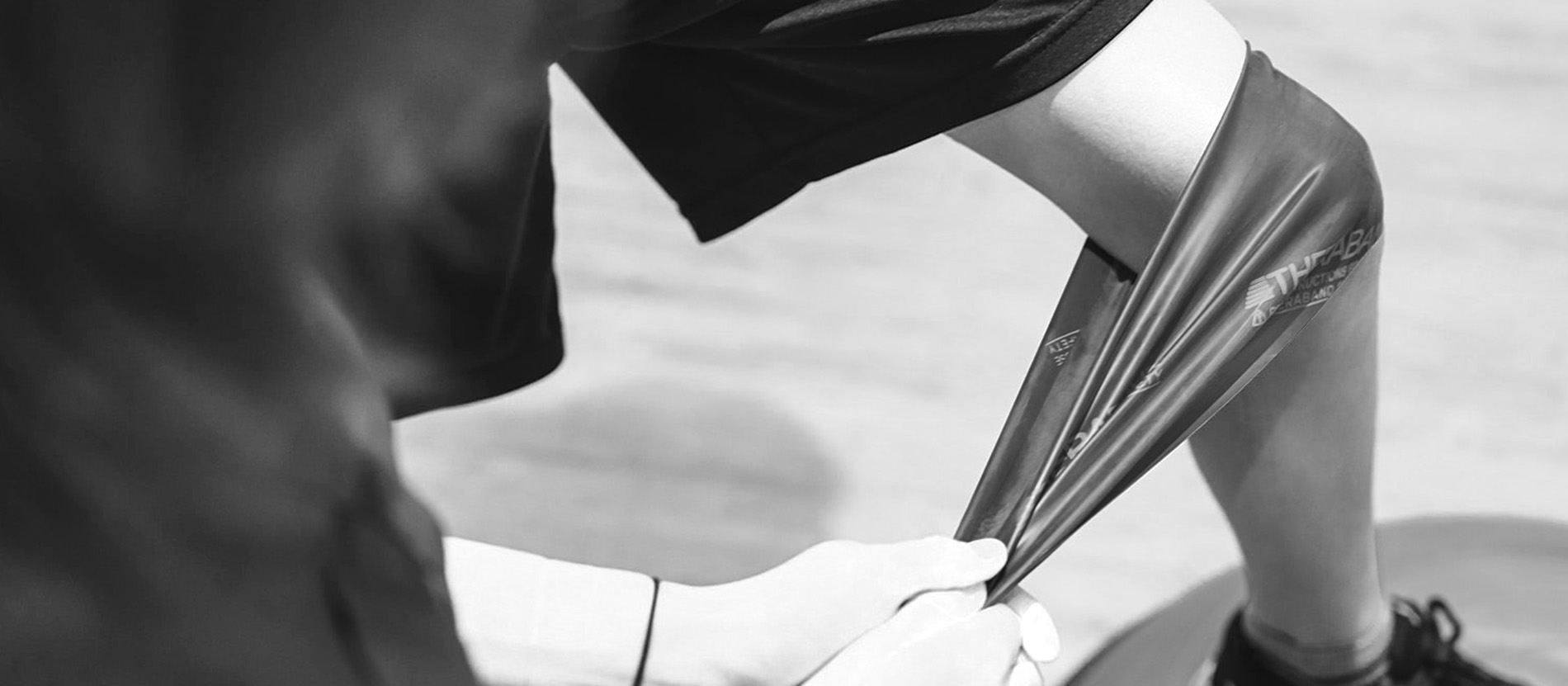
While manual therapy addresses immediate pain, exercise prescription builds the strength and stability necessary to prevent recurrence. This is where lasting local knee pain relief takes shape. Strengthening exercises target the muscles that support and stabilize your knee-particularly the hip abductors, hip external rotators, quadriceps, and calf muscles.
A properly designed exercise program progresses through specific stages:
- Pain management phase: Gentle movements that reduce pain without aggravating the condition
- Strength building: Progressive resistance exercises targeting deficient muscles
- Stability and balance: Single-leg exercises and dynamic movements that challenge proprioception
- Sport or activity-specific training: Movement patterns that mimic your actual functional demands
The physiotherapists at Movement Solutions customize every exercise prescription to your current capacity and long-term goals. Someone recovering from a knee injury in Dundas or Ancaster receives a completely different program than an athlete preparing for competition, yet both benefit from the same evidence-based progression principles.
Consistency with exercise is critical for sustainable local knee pain relief. Studies show that patients who maintain prescribed exercises experience 70-80% better long-term outcomes than those who discontinue exercise after initial pain improvement. Your physiotherapist will teach proper form, provide modifications as you progress, and adjust intensity based on your response.
Specialized Techniques: IMS and Acupuncture for Knee Pain
For some patients, local knee pain relief requires specialized interventions beyond manual therapy and exercise. Gunn Intramuscular Stimulation (IMS), also known as dry needling, addresses neuropathic pain and chronic muscle shortening that doesn't fully respond to conventional physiotherapy alone.
IMS involves inserting fine needles into muscles that have developed contractures or tightness, particularly those that have been chronically shortened due to nerve compression or injury. This technique stimulates the muscle to release and restore normal length-tension relationships. For knee pain caused by tight hip muscles or quadriceps contracture, IMS can provide rapid improvement when combined with exercise.
Acupuncture, rooted in traditional medicine principles, works through different mechanisms to provide local knee pain relief. Research suggests acupuncture triggers endogenous pain-relief mechanisms and reduces inflammatory markers. Many patients at Movement Solutions clinics across the Greater Toronto Area benefit from combining acupuncture with physiotherapy for enhanced pain management.
These specialized techniques are not replacements for comprehensive physiotherapy-they're valuable additions when integrated into a complete treatment plan addressing strength, mobility, and function.
Practical Strategies for Managing Knee Pain at Home
Effective local knee pain relief extends beyond the clinic. Daily habits and self-management strategies significantly influence your recovery trajectory. Here are evidence-based approaches to support your physiotherapy treatment:
Activity modification: Avoid movements that aggravate your knee while remaining as active as possible within pain limits. This might mean reducing running distance while maintaining walking or swimming, which provides cardiovascular benefits without excessive knee loading.
Ice and heat application: Use ice within the first 48-72 hours of acute injury to manage swelling. After the acute phase, heat before exercise may improve muscle flexibility, while ice after activity can manage inflammation.
Knee support and footwear: Proper athletic shoes with appropriate arch support reduce abnormal knee stress. Your physiotherapist can recommend whether knee bracing would benefit your specific condition.
Sleep and recovery: Pain management and tissue healing both depend on adequate sleep. Poor sleep quality correlates with increased pain perception and slower recovery from injury.
Weight management: Every pound of body weight increases knee joint loading by 3-6 times during walking. Maintaining healthy weight reduces mechanical stress during recovery.
Consistency with home exercises: Movement Solutions physiotherapists will demonstrate and prescribe specific exercises for your condition. Performing these daily-even 15-20 minutes-accelerates local knee pain relief far more than sporadic clinic visits alone.
True knee pain recovery happens when you combine professional physiotherapy treatment with dedicated self-management. The physiotherapists at Movement Solutions clinics in Waterdown, Carlisle, Dundas, Ancaster, Burlington, Hamilton, Cambridge, and Flamborough emphasize this partnership approach, ensuring you have the knowledge and tools to maintain improvement long-term.
Frequently Asked Questions
How long does it typically take to get relief from knee pain with physiotherapy?
Most patients experience noticeable improvement within 2-4 weeks of consistent physiotherapy treatment, though this varies based on pain severity and cause. Acute injuries may resolve within 6-8 weeks, while chronic conditions often require 8-12 weeks of treatment. The timeline depends on your adherence to exercises, the underlying cause, and how many sessions you attend weekly at your local clinic.
Can physiotherapy help knee pain without surgery?
Yes, physiotherapy successfully resolves 80-90% of knee pain cases without requiring surgery. Evidence-based manual therapy, exercise prescription, and specialized techniques like IMS address the root causes of most knee conditions. Surgery is typically reserved for specific structural damage like severe meniscal tears or ligament ruptures that don't respond to conservative care.
What's the difference between knee pain relief and knee pain cure?
Pain relief addresses your current discomfort through treatment, while cure involves permanently resolving the underlying problem. Effective physiotherapy provides both by treating acute pain while building strength and stability to prevent recurrence. This is why exercise maintenance remains important long after pain disappears.
Is it normal for knee pain to get worse before getting better during physiotherapy?
Mild temporary soreness after starting exercise is normal and usually indicates your muscles are adapting. However, sharp pain or significant swelling worsening over days suggests the treatment intensity is too high. Always communicate with your physiotherapist about how you're responding-they can adjust your program to find the right balance between challenge and safety.
Can I do physiotherapy for knee pain while continuing to exercise or play sports?
Yes, modified activity is usually encouraged during physiotherapy for knee pain. You'll typically reduce intensity while maintaining movement in pain-free patterns, gradually progressing back to full activity as strength and confidence return. Your physiotherapist will help you understand which movements to avoid and which to maintain.
How do I know if I need telehealth physiotherapy or in-person treatment for knee pain?
Telehealth works well for exercise instruction, movement pattern assessment, and follow-up sessions once your initial assessment is complete. In-person physiotherapy is essential for initial diagnosis and manual therapy techniques like joint mobilizations or soft tissue release. Many patients benefit from combining both approaches-in-person for hands-on treatment and telehealth for exercise follow-up and guidance.

Our Services
We offer a range of services from our highly experienced and friendly staff.

Manual Therapy
Shown to be an effective treatment for a variety of conditions, including back pain, neck pain, headaches, tendonitis, and post–surgical rehab

Exercise Prescription
Provided by your physiotherapist, it provides a personalized plan that meets your individual needs

Gunn IMS
(dry needling)
Utilizing acupuncture needles (a small fine solid needle) to specifically target injured muscles that have contracted and become shortened from distress

Acupuncture
By activating the natural pain control and healing mechanisms of the body, it can improve local circulation and muscle nutrition, restoring muscle strength and decreasing pain

Education
As a key philosophy at Movement Solutions, we provide you with the information needed to assist and educate yourself as you work through your rehabilitation goals

Taping
Commonly used to provide support to an injured area and to assist in the healing process, but can also be used to improve posture, reduce inflammation, and improve mobility

IASTM
Instrument assisted soft tissue mobilization refers to specialized instruments that are used in place of a physiotherapist’s hands. These instruments allow for a more direct treatment of the soft tissues involved with movement

Cancer rehabilitation
An important part of cancer treatment, as it helps to improve physical and emotional functioning and overall quality of life

Lymphedema Management
The lymphatic system is responsible for helping to move lymph fluid to lymph nodes where it is broken down and then transported for elimination

ADP authorizer for lymphedema compression garments
A government program that provides funding for compression garments that are needed daily.

Sports related injury and prevention
While these injuries can be common, they can be prevented with proper training and conditioning

Telehealth – virtual physiotherapy
A great way for patients to access physiotherapy services without needing to attend an in-person appointment

Hands On
At Movement Solutions we offer a hands on approach to physiotherapy care. During each appointment your physiotherapist will evaluate and treat your injury using manual therapy based skills.

One On One
Our practice is to provide one on one care. Your physiotherapist will spend your entire appointment with you.

Client Specific
Our client specific approach means that your physiotherapist will listen closely to you throughout each session to determine your needs.

I have been treated by the team at Movement Solutions on and off for over 15 years for a multitude of injuries (back, high ankle, hip, shoulder, etc). Blair was able to fix a plaguing multiyear shoulder injury that other physiotherapists were unable to permanently fix prior to me finding Movement Solutions. Blair was able to alleviate, strengthen, and allow me to regain range of motion for this injury.
SC
The team at Movement Solutions understands that not everyone can take time off work to heal. They provide effective exercises that can be done at home or at work. The clinic also shows responsible patient care as they aren’t afraid to make referrals to other healthcare resources as needed, and to advocate for their clients to ensure they get additional healthcare they need. In one example, my son was undergoing treatment for his shoulder. However, when he entered the clinic limping due to a volleyball injury suffered earlier in the day, his physiotherapist took a look and immediately sent us to the hospital for x-rays and sure enough multiple bones in my son’s foot were broken.
JC
I’ve been lucky enough to be a patient of Blair’s for many years. I had suffered for years with chronic pain from a broken back, but with Blair’s expertise and care, I’m back to my fully active lifestyle. I still turn to Blair whenever I tweak something. He’s always able to diagnose and treat the problem, and then tailor an exercise plan that works for me. I highly recommend Blair and all of the team at Movement Solutions!
MG


We Are Ready To Help
Give us a call to discuss your health challenge. When you are ready, we are happy to begin your recovery journey.