

Shoulder Pain Therapy In Waterdown Ontario
Shoulder pain affects millions of adults, limiting daily activities and reducing quality of life. Whether you're experiencing acute injury, chronic discomfort, or post-surgical stiffness, shoulder pain therapy in Waterdown Ontario offers targeted, evidence-based solutions to restore function and mobility. At Movement Solutions Physiotherapy, our clinicians across the Greater Toronto Area-including locations in Waterdown, Carlisle, Dundas, Ancaster, Burlington, Hamilton, Cambridge, and Flamborough-provide specialized shoulder rehabilitation using manual therapy, exercise prescription, and advanced techniques like Gunn IMS (dry needling) to address the root cause of your pain.
Understanding Shoulder Anatomy and Common Pain Patterns
The shoulder is the most mobile joint in the human body, composed of four bones (humerus, scapula, clavicle, and sternum), numerous muscles, tendons, and ligaments that work together to create movement. This complexity also makes the shoulder vulnerable to injury and dysfunction. Common conditions treated with shoulder pain therapy include rotator cuff tears or tendinopathy, subacromial impingement syndrome, adhesive capsulitis (frozen shoulder), labral tears, and acromioclavicular (AC) joint dysfunction.
Pain often arises from muscular imbalance, poor posture, or biomechanical dysfunction rather than structural damage alone. For instance, weakness in the rotator cuff muscles-the supraspinatus, infraspinatus, teres minor, and subscapularis-combined with tight pectoralis muscles can cause the humeral head to migrate anteriorly during movement, compressing soft tissues and triggering pain. Understanding these patterns is essential for effective treatment planning.
Shoulder pain therapy in Waterdown Ontario focuses on identifying and correcting the underlying biomechanical dysfunction, not just treating symptoms. This approach leads to faster recovery and reduced recurrence rates.
Evidence-Based Assessment and Diagnostic Reasoning
Effective shoulder pain therapy begins with a comprehensive clinical assessment. Our physiotherapists perform orthopedic special tests-including the Neer test, Hawkins-Kennedy test, O'Brien's test, and scapular dyskinesis screening-to identify which structures are contributing to pain. Palpation techniques assess soft tissue quality and restrictions, while functional movement screening reveals compensatory patterns that perpetuate dysfunction.
Range of motion testing distinguishes between capsular and non-capsular restrictions. Capsular patterns (loss of external rotation, then abduction, then internal rotation) suggest joint-specific pathology, while non-capsular patterns point toward muscular or tendinous involvement. Strength testing using manual muscle testing grades (0-5 scale) quantifies neuromuscular deficits and guides exercise progression. This diagnostic precision ensures treatment targets actual impairments rather than assumptions, making shoulder pain therapy in Waterdown Ontario significantly more effective than generic approaches.
Manual Therapy and Soft Tissue Techniques
Manual therapy forms a cornerstone of comprehensive shoulder rehabilitation. Techniques include soft tissue mobilization to address muscular tightness and trigger points, joint mobilizations using grades I-IV oscillations to improve arthrokinematics (the precise rolling and gliding movements within the joint), and myofascial release to restore tissue extensibility. Movement Solutions Physiotherapy combines these hands-on approaches with Gunn IMS (intramuscular stimulation), a dry needling technique that targets deep muscular restrictions and promotes tissue healing through a controlled local inflammatory response.
Scapular mobilization deserves particular attention, as scapular dysfunction underlies many shoulder conditions. The scapula must move in coordinated patterns with humeral movement-a process called scapulohumeral rhythm. Restricted scapular mobility or dyskinesis (altered movement patterns) compromises this rhythm and overloads the glenohumeral joint. Manual therapy restores scapular glide, upward rotation, and posterior tilt. Additionally, soft tissue work on the thoracic spine often reduces shoulder pain by improving thoracic extension and rotation, which directly influences shoulder mechanics. These techniques are complementary components of shoulder pain therapy, working synergistically to address both local restrictions and regional contributions to dysfunction.
Progressive Exercise Prescription and Functional Training
Exercise prescription is the most critical component of lasting recovery. Treatment progresses through three phases: pain management and mobility restoration (Phase 1), strength and stability development (Phase 2), and functional integration and sport-specific training (Phase 3). Early-phase exercises focus on active-assisted and active range of motion within pain-free ranges, promoting proprioceptive awareness and neuromuscular control without excessive load.
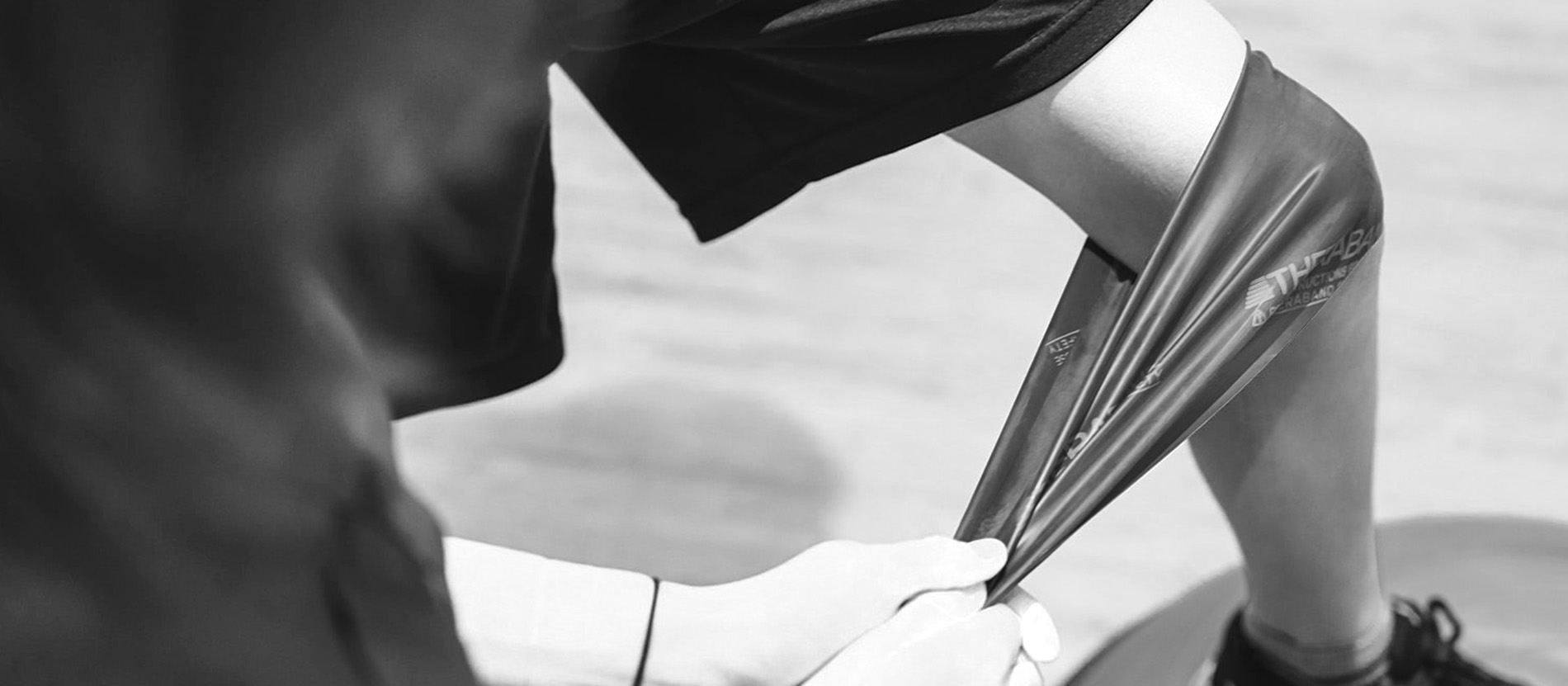
Middle-phase programming emphasizes rotator cuff strengthening using progressive resistance. Exercises like side-lying external rotation, prone horizontal abduction, and prone I-Y-T patterns systematically load the stabilizers. Scapular exercises-including prone Y-T-W sequences, serratus anterior punch-outs, and quadruped rhythmic stabilization-restore dynamic control. Proprioceptive training using unstable surfaces or perturbation-based exercises (e.g., rhythmic stabilization drills) enhances co-contraction patterns essential for joint stability.
Late-phase training reintegrates functional movement patterns. For athletes, this includes sport-specific plyometrics, deceleration training (eccentric strengthening), and complex movement tasks. For general populations, functional training focuses on overhead reach, lifting mechanics, and daily activity simulation. Our clinicians at Movement Solutions Physiotherapy across the Greater Toronto Area design individualized progression based on your specific goals and demands, ensuring shoulder pain therapy addresses not just pain relief but genuine functional restoration that persists long after treatment ends.
Practical Recommendations for Shoulder Pain Management
- Seek early intervention: Early physiotherapy assessment prevents acute conditions from becoming chronic. Delayed treatment often leads to compensatory patterns that complicate recovery.
- Address posture proactively: Modern work environments promote forward head posture and rounded shoulders. Desk ergonomics, regular position changes, and postural awareness exercises reduce shoulder strain significantly.
- Incorporate mobility work: Daily shoulder mobility drills-cat-cow movements, sleeper stretches, and shoulder circles-maintain joint health and prevent stiffness.
- Load progressively: Whether returning to sports or increasing work demands, gradual load progression prevents re-injury. Sudden jumps in activity volume are primary risk factors for shoulder problems.
- Maintain scapular stability: Off-season and between-session exercises that target scapular muscles reduce injury risk in athletes by up to 40 percent across various sports.
- Consider preventive physiotherapy: Athletes and individuals in high-demand occupations benefit from periodic assessment and targeted prevention programs, even without active pain.
Shoulder pain therapy in Waterdown Ontario at Movement Solutions Physiotherapy represents a partnership between you and your physiotherapist. With 90+ collective years of clinical experience across our multi-location practice, our team brings evidence-based expertise to every assessment and treatment session. Whether your shoulder pain stems from sports injury, work-related strain, post-surgical recovery, or gradual onset dysfunction, specialized physiotherapy identifies and corrects the root cause, restoring your ability to move, work, and live without limitation.
Frequently Asked Questions
What causes most shoulder pain that requires physiotherapy?
Most shoulder pain results from rotator cuff dysfunction, muscular imbalance, scapular dyskinesis, or poor biomechanics rather than major structural damage alone. Postural stress, repetitive activity, weakness in stabilizer muscles, and thoracic spine restrictions are common contributors. A physiotherapy assessment identifies your specific cause, allowing targeted treatment.
How long does shoulder pain therapy typically take to show results?
Initial pain reduction often occurs within 2-4 weeks with consistent physiotherapy and home exercise compliance. Functional restoration typically requires 6-12 weeks depending on condition severity, chronicity, and your engagement with prescribed exercises. Chronic conditions may require longer timeframes, but measurable progress should be evident early.
Is dry needling (Gunn IMS) painful, and does it help shoulder pain?
Gunn IMS involves inserting thin needles into tight muscles to trigger a localized response that promotes healing and releases tension. Most patients experience mild discomfort during insertion, followed by relief as muscle tightness releases. It is particularly effective for chronic muscular restrictions and tension-related shoulder pain when combined with exercise and manual therapy.
Can I do physiotherapy for shoulder pain while working or playing sports?
Yes, physiotherapy can be modified to accommodate work and sports participation. Your physiotherapist will advise on activity modification, relative rest, and which movements to avoid during early healing. Graduated return-to-activity protocols allow progressive involvement as healing progresses, minimizing deconditioning while protecting tissue integrity.
What should I expect during my first shoulder pain therapy appointment?
Your first visit includes a detailed history, orthopedic special testing, range of motion and strength assessment, and palpation to identify restrictions. Your physiotherapist will explain findings in clear terms, discuss your goals, and outline a treatment plan. Expect hands-on treatment and initial exercise instruction if appropriate.
Do I need a doctor's referral for shoulder pain therapy in Waterdown?
Many insurance plans and physiotherapy clinics in Ontario accept direct self-referral, while others require physician referral for coverage. Contact Movement Solutions Physiotherapy directly to confirm their referral requirements and discuss your specific situation regarding insurance coverage.
How do I prevent shoulder pain from returning after therapy?
Maintain the exercises your physiotherapist prescribes, especially rotator cuff and scapular stabilization work. Address postural habits, take regular breaks during repetitive activities, and progressively load activity rather than jumping to high intensity suddenly. Periodic reassessment helps catch early warning signs before pain develops.

Our Services
We offer a range of services from our highly experienced and friendly staff.

Manual Therapy
Shown to be an effective treatment for a variety of conditions, including back pain, neck pain, headaches, tendonitis, and post–surgical rehab

Exercise Prescription
Provided by your physiotherapist, it provides a personalized plan that meets your individual needs

Gunn IMS
(dry needling)
Utilizing acupuncture needles (a small fine solid needle) to specifically target injured muscles that have contracted and become shortened from distress

Acupuncture
By activating the natural pain control and healing mechanisms of the body, it can improve local circulation and muscle nutrition, restoring muscle strength and decreasing pain

Education
As a key philosophy at Movement Solutions, we provide you with the information needed to assist and educate yourself as you work through your rehabilitation goals

Taping
Commonly used to provide support to an injured area and to assist in the healing process, but can also be used to improve posture, reduce inflammation, and improve mobility

IASTM
Instrument assisted soft tissue mobilization refers to specialized instruments that are used in place of a physiotherapist’s hands. These instruments allow for a more direct treatment of the soft tissues involved with movement

Cancer rehabilitation
An important part of cancer treatment, as it helps to improve physical and emotional functioning and overall quality of life

Lymphedema Management
The lymphatic system is responsible for helping to move lymph fluid to lymph nodes where it is broken down and then transported for elimination

ADP authorizer for lymphedema compression garments
A government program that provides funding for compression garments that are needed daily.

Sports related injury and prevention
While these injuries can be common, they can be prevented with proper training and conditioning

Telehealth – virtual physiotherapy
A great way for patients to access physiotherapy services without needing to attend an in-person appointment

Hands On
At Movement Solutions we offer a hands on approach to physiotherapy care. During each appointment your physiotherapist will evaluate and treat your injury using manual therapy based skills.

One On One
Our practice is to provide one on one care. Your physiotherapist will spend your entire appointment with you.

Client Specific
Our client specific approach means that your physiotherapist will listen closely to you throughout each session to determine your needs.

I have been treated by the team at Movement Solutions on and off for over 15 years for a multitude of injuries (back, high ankle, hip, shoulder, etc). Blair was able to fix a plaguing multiyear shoulder injury that other physiotherapists were unable to permanently fix prior to me finding Movement Solutions. Blair was able to alleviate, strengthen, and allow me to regain range of motion for this injury.
SC
The team at Movement Solutions understands that not everyone can take time off work to heal. They provide effective exercises that can be done at home or at work. The clinic also shows responsible patient care as they aren’t afraid to make referrals to other healthcare resources as needed, and to advocate for their clients to ensure they get additional healthcare they need. In one example, my son was undergoing treatment for his shoulder. However, when he entered the clinic limping due to a volleyball injury suffered earlier in the day, his physiotherapist took a look and immediately sent us to the hospital for x-rays and sure enough multiple bones in my son’s foot were broken.
JC
I’ve been lucky enough to be a patient of Blair’s for many years. I had suffered for years with chronic pain from a broken back, but with Blair’s expertise and care, I’m back to my fully active lifestyle. I still turn to Blair whenever I tweak something. He’s always able to diagnose and treat the problem, and then tailor an exercise plan that works for me. I highly recommend Blair and all of the team at Movement Solutions!
MG


We Are Ready To Help
Give us a call to discuss your health challenge. When you are ready, we are happy to begin your recovery journey.