


Shoulder Pain Treatment Burlington
With years of experience in physiotherapy across the Greater Toronto Area, the team at Movement Solutions understands that shoulder pain can significantly impact your daily life, whether you're an active professional, athlete, or senior seeking relief. Shoulder pain affects millions of people and stems from various causes-rotator cuff injuries, frozen shoulder, tendinitis, postural dysfunction, and sports-related trauma being among the most common. If you're searching for shoulder pain treatment in Burlington, you've come to the right place. This guide explores the evidence-based approaches to shoulder pain management and how specialized physiotherapy can help you regain strength, mobility, and function.
Understanding the Root Causes of Shoulder Pain
The shoulder is a remarkably complex joint, comprised of bones, muscles, tendons, and ligaments working together to provide a wide range of motion. Because of this complexity, shoulder pain can originate from multiple sources. Many people experience pain from repetitive strain, particularly those in desk-based roles or athletes who perform overhead movements. Others develop shoulder issues following trauma, such as falls or sports injuries.
One of the most common conditions seen in shoulder pain treatment in Burlington clinics is rotator cuff dysfunction. The rotator cuff is a group of four muscles and tendons that stabilize the shoulder joint and enable rotation. When these structures become inflamed, strained, or torn, pain and weakness result. Frozen shoulder, medically known as adhesive capsulitis, causes progressive stiffness and pain that can last months or even years without proper intervention.
Postural issues also play a significant role in chronic shoulder pain. Forward head posture and rounded shoulders, increasingly common in our digital age, create imbalances in shoulder muscles and place undue stress on the joint. Addressing these root causes rather than simply masking symptoms is what distinguishes effective shoulder pain treatment from temporary relief.
The shoulder joint's exceptional mobility makes it vulnerable to injury, but this same complexity means that targeted, evidence-based physiotherapy can restore function when properly diagnosed and treated.
Evidence-Based Treatment Approaches for Shoulder Pain
Movement Solutions Physiotherapy employs a multi-faceted approach to shoulder pain treatment, combining several evidence-based modalities tailored to your specific condition. The first step is a thorough assessment to identify the exact source of your pain and any contributing factors. This detailed evaluation guides your personalized treatment plan.
Manual therapy is a cornerstone of effective shoulder pain treatment in Burlington. skilled physiotherapists use hands-on techniques including soft tissue mobilization, joint mobilization, and trigger point release to reduce pain, improve circulation, and restore normal movement patterns. These techniques address both the primary injury site and compensatory patterns that develop when you've been protecting a painful shoulder.
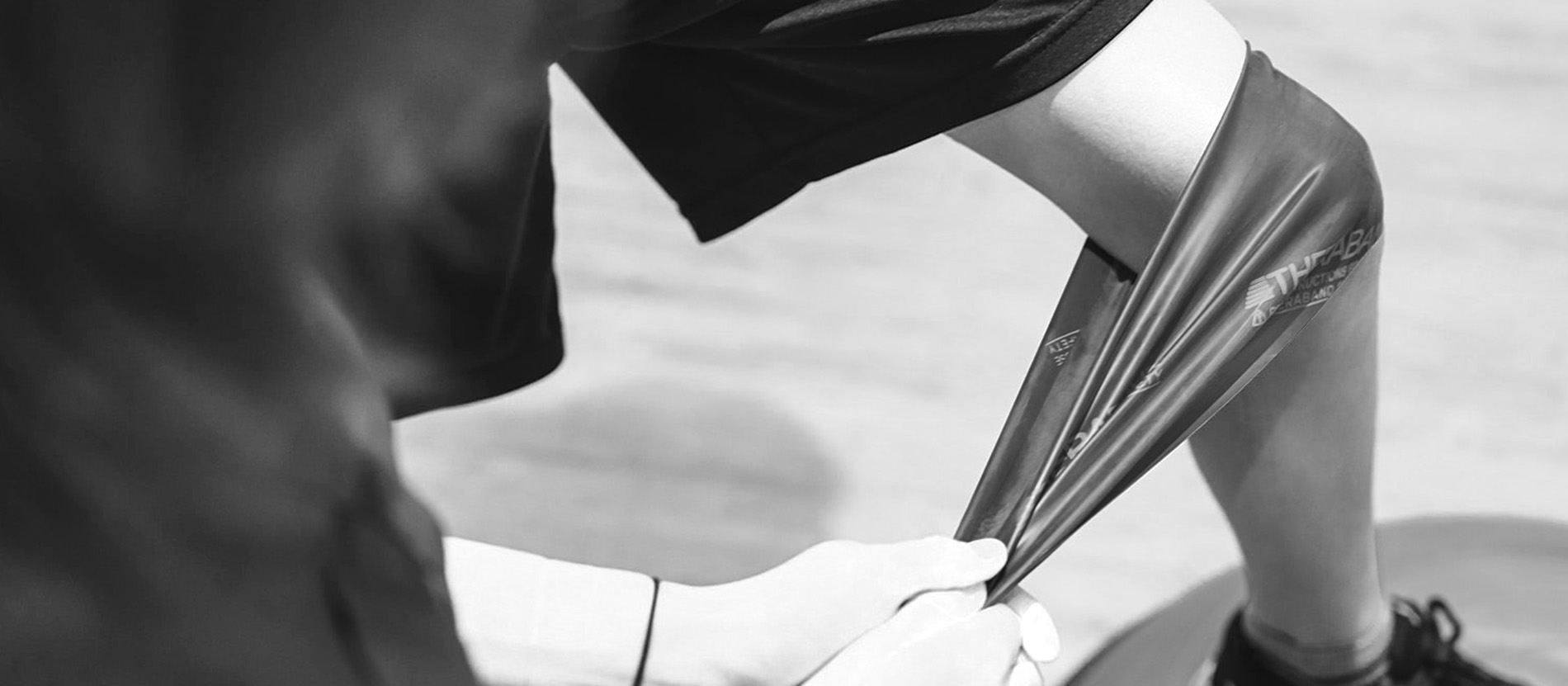
Exercise prescription is equally important. Once acute pain is managed, therapeutic exercises rebuild strength and stability in the rotator cuff and surrounding musculature. Progressive, properly-dosed exercise prevents recurrence and helps you return to your activities. Movement Solutions physiotherapists across all locations-from Waterdown to Hamilton, Cambridge to Flamborough-emphasize active rehabilitation because research consistently shows that patients who engage in prescribed exercises achieve better long-term outcomes.
For certain conditions, Gunn IMS (Intramuscular Stimulation) and acupuncture provide additional relief. These techniques can effectively reduce pain and muscle tension, particularly in cases where traditional therapy alone isn't providing adequate progress. The integration of these modalities allows your physiotherapist to address pain from multiple angles.
Telehealth and virtual physiotherapy options also make shoulder pain treatment more accessible across the Greater Toronto Area. Whether you're in Carlisle, Dundas, Ancaster, or another location, remote sessions allow you to receive expert guidance when in-person visits aren't feasible.
The Role of Customized Rehabilitation in Recovery
Generic treatment protocols don't work well for shoulder pain because every person's condition, history, and goals differ. An athlete recovering from a sports injury requires different rehab progression than a cancer patient managing post-treatment complications, and both differ from someone with chronic shoulder pain from occupational strain.
Effective shoulder pain treatment in Burlington accounts for your functional goals. If you play tennis, your physiotherapist will ensure you regain the specific strength and mobility required for overhead serve mechanics. If you work at a computer, postural correction and ergonomic education become central to your plan. If you're recovering from breast cancer treatment, specialized lymphedema management may be integrated into your shoulder rehabilitation.
Recovery timelines vary widely depending on diagnosis severity. Acute muscle strains might improve in 2-6 weeks with consistent treatment, while rotator cuff tears or frozen shoulder typically require 8-12 weeks or longer. The key is following your physiotherapist's guidance consistently rather than expecting rapid overnight improvement. Many patients see meaningful progress within the first few sessions as pain decreases and movement improves, but true functional recovery requires sustained effort.
Throughout your rehabilitation, your physiotherapist monitors progress through objective measures-range of motion testing, strength assessments, and functional movement evaluation-ensuring your treatment remains on track. Adjustments are made based on your response, making the process dynamic rather than static.
Practical Tips for Managing Shoulder Pain at Home
While professional physiotherapy is essential, your at-home care significantly impacts overall recovery:
- Apply ice during the first 48-72 hours after acute injury to reduce inflammation; heat may be more helpful for chronic stiffness after the acute phase resolves
- Maintain proper posture throughout the day-keep shoulders relaxed, avoid slouching, and take frequent breaks from repetitive activities
- Perform prescribed exercises consistently, even when pain improves, to prevent recurrence
- Avoid aggravating activities or modify them to reduce shoulder stress-don't push through sharp pain, but gentle discomfort during therapeutic exercise is often appropriate
- Sleep position matters-avoid sleeping on the injured shoulder and use supportive pillows that keep your neck aligned
- Stay hydrated and maintain overall fitness, as general conditioning supports tissue healing
- Monitor your activity load-sudden increases in overhead work or exercise can setback progress
Shoulder pain treatment in Burlington and across the Greater Toronto Area is most successful when you view physiotherapy as a partnership. Your physiotherapist provides expert assessment, hands-on care, and guidance, but you direct recovery through consistent home exercise, activity modification, and adherence to recommendations. The clinics serving Waterdown, Carlisle, Dundas, Ancaster, and surrounding communities all emphasize this collaborative approach, drawing on their combined 90+ years of experience to help you achieve lasting relief and restored function.
If shoulder pain is limiting your activities or affecting your quality of life, reaching out to a qualified physiotherapist is a practical first step. Evidence-based care, personalized treatment, and professional guidance can help you move better, feel better, and return to the activities that matter most.
Frequently Asked Questions
How long does it typically take to see results from shoulder pain treatment in Burlington?
Most patients experience noticeable pain reduction and improved mobility within 2-4 weeks of consistent physiotherapy, though complete functional recovery typically requires 8-12 weeks depending on injury severity. Acute strains may resolve faster, while rotator cuff injuries and frozen shoulder require longer rehabilitation periods. Consistent adherence to prescribed exercises and treatment sessions significantly influences recovery timeline.
What conditions are treated through shoulder pain treatment in Burlington?
Shoulder pain treatment addresses rotator cuff injuries, frozen shoulder, tendinitis, bursitis, postural dysfunction, sports injuries, and post-surgical rehabilitation. Physiotherapists also provide specialized care for cancer-related shoulder complications and lymphedema management. Each condition requires individualized assessment and treatment planning based on your specific diagnosis and goals.
Can shoulder pain be treated without surgery using physiotherapy?
Many shoulder conditions respond very well to conservative physiotherapy treatment, including manual therapy, exercise prescription, and specialized modalities like dry needling. However, some injuries such as significant rotator cuff tears may require surgical consultation. Your physiotherapist can discuss whether your condition typically resolves with conservative care or warrants medical evaluation for surgical options.

Our Services
We offer a range of services from our highly experienced and friendly staff.

Manual Therapy
Shown to be an effective treatment for a variety of conditions, including back pain, neck pain, headaches, tendonitis, and post–surgical rehab

Exercise Prescription
Provided by your physiotherapist, it provides a personalized plan that meets your individual needs

Gunn IMS
(dry needling)
Utilizing acupuncture needles (a small fine solid needle) to specifically target injured muscles that have contracted and become shortened from distress

Acupuncture
By activating the natural pain control and healing mechanisms of the body, it can improve local circulation and muscle nutrition, restoring muscle strength and decreasing pain

Education
As a key philosophy at Movement Solutions, we provide you with the information needed to assist and educate yourself as you work through your rehabilitation goals

Taping
Commonly used to provide support to an injured area and to assist in the healing process, but can also be used to improve posture, reduce inflammation, and improve mobility

IASTM
Instrument assisted soft tissue mobilization refers to specialized instruments that are used in place of a physiotherapist’s hands. These instruments allow for a more direct treatment of the soft tissues involved with movement

Cancer rehabilitation
An important part of cancer treatment, as it helps to improve physical and emotional functioning and overall quality of life

Lymphedema Management
The lymphatic system is responsible for helping to move lymph fluid to lymph nodes where it is broken down and then transported for elimination

ADP authorizer for lymphedema compression garments
A government program that provides funding for compression garments that are needed daily.

Sports related injury and prevention
While these injuries can be common, they can be prevented with proper training and conditioning

Telehealth – virtual physiotherapy
A great way for patients to access physiotherapy services without needing to attend an in-person appointment

Hands On
At Movement Solutions we offer a hands on approach to physiotherapy care. During each appointment your physiotherapist will evaluate and treat your injury using manual therapy based skills.

One On One
Our practice is to provide one on one care. Your physiotherapist will spend your entire appointment with you.

Client Specific
Our client specific approach means that your physiotherapist will listen closely to you throughout each session to determine your needs.

I have been treated by the team at Movement Solutions on and off for over 15 years for a multitude of injuries (back, high ankle, hip, shoulder, etc). Blair was able to fix a plaguing multiyear shoulder injury that other physiotherapists were unable to permanently fix prior to me finding Movement Solutions. Blair was able to alleviate, strengthen, and allow me to regain range of motion for this injury.
SC
The team at Movement Solutions understands that not everyone can take time off work to heal. They provide effective exercises that can be done at home or at work. The clinic also shows responsible patient care as they aren’t afraid to make referrals to other healthcare resources as needed, and to advocate for their clients to ensure they get additional healthcare they need. In one example, my son was undergoing treatment for his shoulder. However, when he entered the clinic limping due to a volleyball injury suffered earlier in the day, his physiotherapist took a look and immediately sent us to the hospital for x-rays and sure enough multiple bones in my son’s foot were broken.
JC
I’ve been lucky enough to be a patient of Blair’s for many years. I had suffered for years with chronic pain from a broken back, but with Blair’s expertise and care, I’m back to my fully active lifestyle. I still turn to Blair whenever I tweak something. He’s always able to diagnose and treat the problem, and then tailor an exercise plan that works for me. I highly recommend Blair and all of the team at Movement Solutions!
MG


We Are Ready To Help
Give us a call to discuss your health challenge. When you are ready, we are happy to begin your recovery journey.