


Shoulder Pain Treatment
Shoulder pain affects millions of adults and can significantly limit your daily activities, from lifting objects to reaching overhead. Effective shoulder pain treatment requires a structured, evidence-based approach that addresses the root cause rather than masking symptoms. This guide walks you through five essential steps to understand and manage shoulder pain, whether you're dealing with acute injury, chronic conditions, or post-surgical rehabilitation. By following this framework, you'll gain clarity on your condition and learn how to take control of your recovery.
Step 1: Identify the Type and Location of Your Shoulder Pain
The first critical step in shoulder pain treatment is accurately identifying where the pain originates and what type of pain you're experiencing. Shoulder pain can stem from multiple structures: the rotator cuff muscles (supraspinatus, infraspinatus, teres minor, subscapularis), the labrum, the acromioclavicular joint, or referred pain from the cervical spine. Locate your pain precisely by pointing to the specific area-anterior (front), posterior (back), lateral (outer side), or deep within the joint. Note whether the pain is sharp and acute, dull and aching, or radiating down your arm.
Document when the pain occurs: during specific movements (reaching, rotating, pressing), at rest, or at night. This detailed information is invaluable for physiotherapists and will guide your treatment strategy. Understanding the mechanical pattern of your pain helps differentiate between impingement syndrome, rotator cuff strain, frozen shoulder (adhesive capsulitis), or instability-each requiring distinct management approaches.
Step 2: Perform a Baseline Range of Motion Assessment
Measuring your current shoulder mobility establishes a baseline against which you can track progress during shoulder pain treatment. Perform four basic movements in front of a mirror: forward flexion (raise your arm straight ahead to shoulder height), abduction (raise your arm out to the side), internal rotation (reach your hand behind your back), and external rotation (hold your elbow at 90 degrees and rotate your forearm outward). Note the degree at which pain begins and the maximum range you can achieve without sharp discomfort.
Use a simple notation system: full pain-free range, range with mild discomfort, and range where pain stops movement. This assessment takes five minutes but provides critical baseline data. If range of motion is severely restricted-particularly if you cannot raise your arm more than 60 degrees-seek professional evaluation promptly, as this may indicate significant soft tissue damage or capsular tightness requiring hands-on physiotherapy intervention available across the Greater Toronto Area in Waterdown, Carlisle, Dundas, Ancaster, Burlington, Hamilton, Cambridge, and Flamborough.
Step 3: Apply Evidence-Based Pain Management Techniques
Immediate pain relief allows you to progress with rehabilitation. Begin with ice application for acute inflammation (first 48-72 hours): apply ice wrapped in a thin cloth for 15 minutes, three to four times daily, maintaining a minimum 30-minute gap between applications to prevent tissue damage. For chronic pain lasting beyond two weeks, alternate between ice and heat based on your response-ice reduces inflammation and numbs pain, while heat increases blood flow and muscle relaxation. Progressive loading, even gentle isometric exercises (where muscles contract without moving the joint), can reduce pain through neurobiological mechanisms that activate your body's natural pain-suppression systems.
Postural awareness is equally critical: rounded shoulders increase subacromial impingement, compressing the rotator cuff tendons. Sit and stand with your shoulders back and down, creating space in your shoulder joint. Avoid prolonged positions that aggravate pain, such as sleeping on the affected side or holding your arm elevated. Movement Solutions Physiotherapy emphasizes that strategic pain management isn't about complete rest-it's about intelligent movement within your pain-free range to maintain function while healing progresses.
Step 4: Implement Progressive Strengthening and Stabilization Exercises
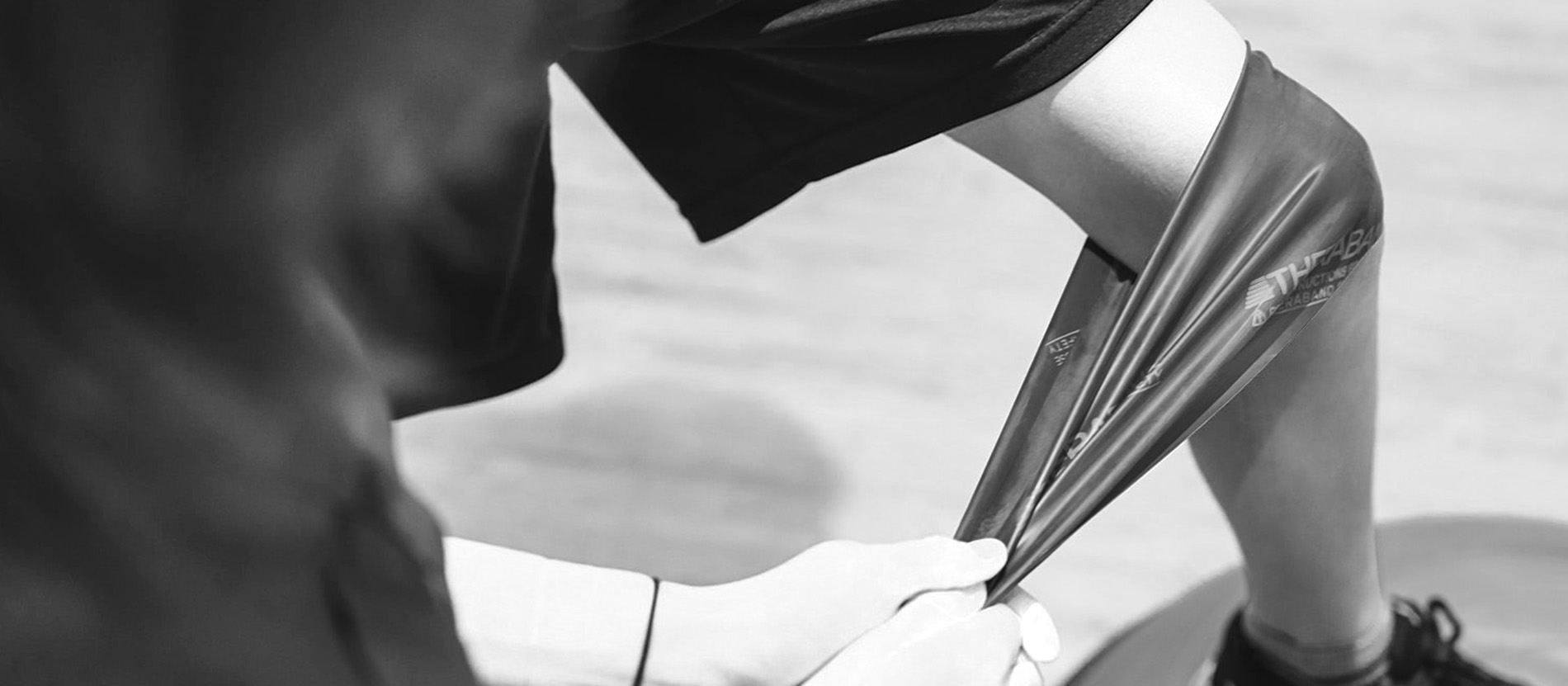
Once acute pain subsides, progressive exercise becomes the foundation of shoulder pain treatment. Begin with isometric exercises: press your forearm against a wall for six seconds, rest, and repeat eight to ten times. Progress to dynamic exercises with controlled movement: perform scapular retractions (squeeze your shoulder blades together), external rotations with a resistance band, and prone Y-T-W exercises that target the posterior shoulder and stabilizers. Perform these exercises three to four times weekly, increasing resistance only when you complete 12-15 repetitions pain-free.
The progression sequence matters: stabilization before strength, submaximal effort before maximum effort, controlled motion before explosive movement. Incorporate functional exercises that mimic daily activities-if overhead reaching is your goal, progress from gentle arm raises to reaching for objects. Recovery timelines vary significantly, typically ranging from four to twelve weeks for mild to moderate strains, though complex injuries may require longer commitment. This is where personalized guidance from a physiotherapist becomes invaluable.
Step 5: Seek Professional Assessment and Specialized Treatment if Needed
If home management doesn't produce measurable improvement within two to three weeks, or if pain worsens despite conservative care, professional assessment is essential. A physiotherapist will perform orthopedic tests-special moves that provoke or alleviate specific structures-to identify the exact tissue involved. They may recommend manual therapy techniques like soft tissue mobilization, joint mobilization, or specialized treatments such as Gunn IMS (intramuscular stimulation, a form of dry needling that addresses nerve-related pain), or acupuncture for pain modulation.
Advanced shoulder pain treatment may also include lymphatic drainage if swelling is present, or rehabilitation protocols specific to your diagnosis. Movement Solutions Physiotherapy operates multiple locations across the Greater Toronto Area, providing evidence-based, hands-on care tailored to your specific condition. Whether you've experienced a sports injury, post-surgical complication, or chronic pain, professional guidance ensures you're following the most effective path to recovery rather than prolonging your symptoms through ineffective strategies.
Frequently Asked Questions
How long does shoulder pain treatment typically take to work?
Most people experience measurable improvement in shoulder pain treatment within two to four weeks of consistent care, though the timeline depends on the underlying cause and severity. Minor strains may resolve in four to six weeks, while more complex injuries such as rotator cuff tears or frozen shoulder may require eight to sixteen weeks of structured physiotherapy. Consistency matters more than duration-three to four sessions weekly with proper home exercise compliance accelerates recovery significantly compared to sporadic treatment.
Can I treat shoulder pain at home without seeing a physiotherapist?
Many mild cases of shoulder pain can improve with rest, ice, gentle movement, and basic strengthening exercises performed at home. However, without professional assessment, you risk misdiagnosing the problem and performing exercises that worsen your condition rather than heal it. A physiotherapist identifies the specific tissue involved and creates a targeted protocol, potentially resolving your issue faster and preventing chronic pain from developing. If home treatment doesn't produce improvement within two to three weeks, professional evaluation becomes essential.
What's the difference between shoulder pain treatment and just resting my shoulder?
Complete rest typically worsens shoulder pain long-term because immobility leads to muscle atrophy, stiffness, and reduced blood flow-delaying healing. Effective shoulder pain treatment uses strategic, progressive movement within your pain-free range to stimulate healing, maintain function, and rebuild strength. Evidence shows that active rehabilitation produces better outcomes than passive rest, returning you to normal activities faster and with lower recurrence rates.
When should I see a physiotherapist for shoulder pain instead of just a doctor?
If imaging (X-ray, ultrasound, MRI) has ruled out fractures or severe tears, a physiotherapist is your primary resource for shoulder pain treatment. Even when structural damage is present, physiotherapy is often the first-line treatment before considering surgery. Physiotherapists specialize in movement assessment and exercise prescription-the core tools for shoulder recovery-and can often resolve pain and restore function without medication or invasive procedures. Starting with physiotherapy early typically prevents chronic pain from developing.

Our Services
We offer a range of services from our highly experienced and friendly staff.

Manual Therapy
Shown to be an effective treatment for a variety of conditions, including back pain, neck pain, headaches, tendonitis, and post–surgical rehab

Exercise Prescription
Provided by your physiotherapist, it provides a personalized plan that meets your individual needs

Gunn IMS
(dry needling)
Utilizing acupuncture needles (a small fine solid needle) to specifically target injured muscles that have contracted and become shortened from distress

Acupuncture
By activating the natural pain control and healing mechanisms of the body, it can improve local circulation and muscle nutrition, restoring muscle strength and decreasing pain

Education
As a key philosophy at Movement Solutions, we provide you with the information needed to assist and educate yourself as you work through your rehabilitation goals

Taping
Commonly used to provide support to an injured area and to assist in the healing process, but can also be used to improve posture, reduce inflammation, and improve mobility

IASTM
Instrument assisted soft tissue mobilization refers to specialized instruments that are used in place of a physiotherapist’s hands. These instruments allow for a more direct treatment of the soft tissues involved with movement

Cancer rehabilitation
An important part of cancer treatment, as it helps to improve physical and emotional functioning and overall quality of life

Lymphedema Management
The lymphatic system is responsible for helping to move lymph fluid to lymph nodes where it is broken down and then transported for elimination

ADP authorizer for lymphedema compression garments
A government program that provides funding for compression garments that are needed daily.

Sports related injury and prevention
While these injuries can be common, they can be prevented with proper training and conditioning

Telehealth – virtual physiotherapy
A great way for patients to access physiotherapy services without needing to attend an in-person appointment

Hands On
At Movement Solutions we offer a hands on approach to physiotherapy care. During each appointment your physiotherapist will evaluate and treat your injury using manual therapy based skills.

One On One
Our practice is to provide one on one care. Your physiotherapist will spend your entire appointment with you.

Client Specific
Our client specific approach means that your physiotherapist will listen closely to you throughout each session to determine your needs.

I have been treated by the team at Movement Solutions on and off for over 15 years for a multitude of injuries (back, high ankle, hip, shoulder, etc). Blair was able to fix a plaguing multiyear shoulder injury that other physiotherapists were unable to permanently fix prior to me finding Movement Solutions. Blair was able to alleviate, strengthen, and allow me to regain range of motion for this injury.
SC
The team at Movement Solutions understands that not everyone can take time off work to heal. They provide effective exercises that can be done at home or at work. The clinic also shows responsible patient care as they aren’t afraid to make referrals to other healthcare resources as needed, and to advocate for their clients to ensure they get additional healthcare they need. In one example, my son was undergoing treatment for his shoulder. However, when he entered the clinic limping due to a volleyball injury suffered earlier in the day, his physiotherapist took a look and immediately sent us to the hospital for x-rays and sure enough multiple bones in my son’s foot were broken.
JC
I’ve been lucky enough to be a patient of Blair’s for many years. I had suffered for years with chronic pain from a broken back, but with Blair’s expertise and care, I’m back to my fully active lifestyle. I still turn to Blair whenever I tweak something. He’s always able to diagnose and treat the problem, and then tailor an exercise plan that works for me. I highly recommend Blair and all of the team at Movement Solutions!
MG


We Are Ready To Help
Give us a call to discuss your health challenge. When you are ready, we are happy to begin your recovery journey.