

Sports Injury Rehab Specialists Near Me
When searching for "Sports Injury Rehab Specialists Near Me," you're likely weighing several options: general physiotherapy clinics, sports medicine centres, athletic trainers, and specialized rehabilitation facilities. Understanding the differences between these approaches-and what makes one right for your recovery-requires knowing the technical distinctions in how each type of provider assesses and treats sports injuries.
Sports injury rehabilitation differs fundamentally from general physiotherapy because it addresses the specific biomechanical demands of athletic movement. A sports injury rehab specialist evaluates not just pain and range of motion, but movement patterns under load, proprioceptive deficits, and sport-specific functional requirements. This targeted approach accelerates return-to-sport outcomes because treatment aligns with your actual performance goals, not just pain reduction.
Understanding Different Rehabilitation Approaches
The rehabilitation landscape includes several distinct models. First-line care often comes from family physicians or urgent care, which provide diagnostic imaging and pain management but typically lack specialized movement assessment. Athletic trainers and certified strength and conditioning specialists focus on conditioning and injury prevention but may not address underlying tissue dysfunction. Physiotherapists with sports specialization combine tissue assessment, manual therapy, exercise prescription, and performance testing-creating a comprehensive pathway from acute injury through return to sport.
Across the Greater Toronto Area-including Waterdown, Carlisle, Dundas, Ancaster, Burlington, Hamilton, Cambridge, and Flamborough-many clinics claim sports expertise, but the depth of that expertise varies significantly. True sports injury rehab specialists should demonstrate proficiency in functional movement assessment, sport-specific exercise progression, and evidence-based manual techniques.
Key Characteristics of Evidence-Based Sports Rehabilitation
The gold standard for sports injury recovery relies on several measurable components. Early phase management focuses on addressing inflammation and protecting healing tissue through controlled loading. Mid-phase rehabilitation emphasizes restoring motion, strength, and proprioception-the body's ability to sense position and movement. Late-phase training replicates the demands you'll face in your sport, using progressively challenging exercises that test your neuromuscular control under game-like conditions.
When evaluating sports injury rehab specialists near you, look for providers who conduct thorough functional movement screening, use objective outcome measures (like strength testing or hop distance testing), and provide written exercise programs tailored to your sport. A specialist should explain not just what you'll do, but why each component of your rehabilitation directly addresses your injury mechanism or movement dysfunction.
Comparing Treatment Methods and Modalities
| Treatment Approach | Best For | Typical Duration | Evidence Base |
|---|---|---|---|
| Manual Therapy (mobilization, soft tissue work) | Restoring mobility and reducing muscle guarding | 4-12 weeks | Strong for acute and chronic musculoskeletal pain |
| Exercise Prescription (progressive strengthening) | Building resilience and preventing re-injury | 8-16 weeks | Strongest evidence for sports injury recovery |
| Dry Needling / IMS (intramuscular stimulation) | Releasing trigger points and muscle dysfunction | 3-8 sessions | Established for chronic muscle tension and neuropathic pain |
| Sport-Specific Movement Training | Returning to athletic activity safely | 4-8 weeks | Essential for preventing re-injury in returning athletes |
Most evidence supports combining these modalities rather than relying on a single approach. Manual therapy alone provides temporary relief but doesn't address underlying strength deficits. Exercise alone without addressing tissue restrictions may progress more slowly. Integrated treatment-where manual therapy prepares tissue for exercise, and exercise reinforces movement patterns refined through therapy-produces the fastest, most sustainable recovery.
What to Expect From Specialized Sports Rehab
When you consult with sports injury rehab specialists near you, the initial assessment should take 45-60 minutes and include detailed history, movement screening, special testing (like strength or flexibility assessment), and functional tasks related to your sport. Your physiotherapist will explain their findings in movement terms-not just anatomical names-so you understand how dysfunction contributes to your injury.
Treatment sessions typically last 50-60 minutes and progress systematically. Early sessions may emphasize pain reduction and mobility; mid-phase sessions build strength and control; late-phase sessions challenge your neuromuscular system with sport-specific demands. A specialist should reassess you every 2-4 weeks, adjusting your program based on objective progress measures, not just subjective improvement.
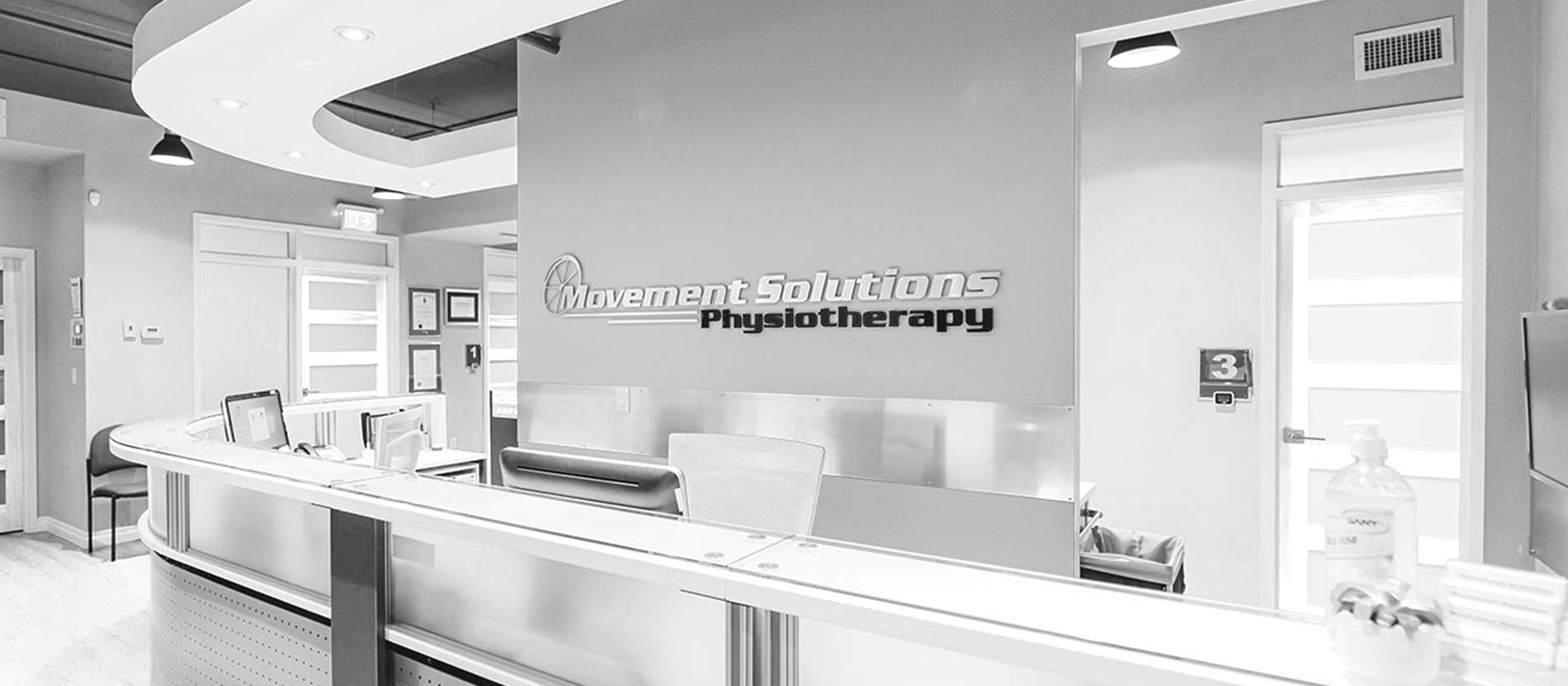
Movement Solutions Physiotherapy across the Greater Toronto Area provides this level of specialized care through evidence-based protocols refined over 90+ collective years of clinical experience. Their approach combines manual therapy expertise with comprehensive exercise prescription and sport-specific training, ensuring that your rehabilitation directly addresses your return-to-activity goals.
Making Your Decision: Quality Indicators
Evaluate sports injury rehab specialists near me based on specific criteria: Do they perform comprehensive functional assessment, not just pain evaluation? Can they explain the relationship between your movement dysfunction and your injury? Do they provide written, progressive exercise programs you can perform independently? Will they communicate directly with your physician or athletic trainer if you're seeing other providers?
The best specialists often maintain lower caseloads to ensure one-on-one attention, use objective outcome measures to track progress, and actively collaborate with your other healthcare providers. They educate you thoroughly about your injury and rehabilitation pathway, empowering you to understand and manage your recovery actively rather than passively receiving treatment.
Frequently Asked Questions
What's the difference between a physiotherapist and a sports injury specialist?
All sports injury specialists are physiotherapists, but not all physiotherapists specialize in sports rehabilitation. Sports injury specialists specifically assess movement patterns, sport-specific demands, and return-to-activity goals, using progressively challenging exercises tailored to your sport. General physiotherapists focus broadly on pain and mobility for various conditions, without the specialized movement and performance expertise that sports rehabilitation requires.
How long does sports injury rehabilitation typically take?
Recovery duration depends on injury severity, tissue type, and your pre-injury fitness level. Minor muscle strains may resolve in 2-4 weeks, while ligament injuries or complex joint problems typically require 8-16 weeks of structured rehabilitation. Return-to-sport timelines differ from pain-free timelines-you may feel better before your tissue and neuromuscular system are truly ready for athletic demands, making professional progression essential.
Should I see a sports injury specialist immediately after my injury?
Early assessment by a sports injury rehab specialist optimizes recovery outcomes because they can guide you through early-phase management when decisions about activity and loading significantly impact tissue healing. Even if you're initially managed by emergency care or your family physician, consulting a specialist within the first 1-2 weeks ensures your rehabilitation pathway aligns with evidence-based progressive protocols rather than generic rest-and-recover advice.
What makes one sports injury rehab clinic better than another?
Quality differentiators include thorough functional movement assessment beyond basic range-of-motion testing, use of objective outcome measures to track progress, written progressive exercise programs customized to your sport, and one-on-one treatment rather than group classes. Specialists who invest time explaining your injury mechanism and rehabilitation rationale, and who adjust your program based on measurable progress, deliver faster, more sustainable results.
Can I do sports injury rehabilitation through telehealth or virtual sessions?
Virtual physiotherapy works well for exercise instruction, movement feedback, and ongoing program progression once your acute phase is stabilized, but initial assessment and hands-on techniques like manual therapy require in-person sessions. Many specialists offer hybrid approaches-initial in-person evaluation, hands-on treatment as needed, and virtual sessions for exercise refinement and monitoring-maximizing convenience while maintaining clinical effectiveness.

Our Services
We offer a range of services from our highly experienced and friendly staff.

Manual Therapy
Shown to be an effective treatment for a variety of conditions, including back pain, neck pain, headaches, tendonitis, and post–surgical rehab

Exercise Prescription
Provided by your physiotherapist, it provides a personalized plan that meets your individual needs

Gunn IMS
(dry needling)
Utilizing acupuncture needles (a small fine solid needle) to specifically target injured muscles that have contracted and become shortened from distress

Acupuncture
By activating the natural pain control and healing mechanisms of the body, it can improve local circulation and muscle nutrition, restoring muscle strength and decreasing pain

Education
As a key philosophy at Movement Solutions, we provide you with the information needed to assist and educate yourself as you work through your rehabilitation goals

Taping
Commonly used to provide support to an injured area and to assist in the healing process, but can also be used to improve posture, reduce inflammation, and improve mobility

IASTM
Instrument assisted soft tissue mobilization refers to specialized instruments that are used in place of a physiotherapist’s hands. These instruments allow for a more direct treatment of the soft tissues involved with movement

Cancer rehabilitation
An important part of cancer treatment, as it helps to improve physical and emotional functioning and overall quality of life

Lymphedema Management
The lymphatic system is responsible for helping to move lymph fluid to lymph nodes where it is broken down and then transported for elimination

ADP authorizer for lymphedema compression garments
A government program that provides funding for compression garments that are needed daily.

Sports related injury and prevention
While these injuries can be common, they can be prevented with proper training and conditioning

Telehealth – virtual physiotherapy
A great way for patients to access physiotherapy services without needing to attend an in-person appointment

Hands On
At Movement Solutions we offer a hands on approach to physiotherapy care. During each appointment your physiotherapist will evaluate and treat your injury using manual therapy based skills.

One On One
Our practice is to provide one on one care. Your physiotherapist will spend your entire appointment with you.

Client Specific
Our client specific approach means that your physiotherapist will listen closely to you throughout each session to determine your needs.

I have been treated by the team at Movement Solutions on and off for over 15 years for a multitude of injuries (back, high ankle, hip, shoulder, etc). Blair was able to fix a plaguing multiyear shoulder injury that other physiotherapists were unable to permanently fix prior to me finding Movement Solutions. Blair was able to alleviate, strengthen, and allow me to regain range of motion for this injury.
SC
The team at Movement Solutions understands that not everyone can take time off work to heal. They provide effective exercises that can be done at home or at work. The clinic also shows responsible patient care as they aren’t afraid to make referrals to other healthcare resources as needed, and to advocate for their clients to ensure they get additional healthcare they need. In one example, my son was undergoing treatment for his shoulder. However, when he entered the clinic limping due to a volleyball injury suffered earlier in the day, his physiotherapist took a look and immediately sent us to the hospital for x-rays and sure enough multiple bones in my son’s foot were broken.
JC
I’ve been lucky enough to be a patient of Blair’s for many years. I had suffered for years with chronic pain from a broken back, but with Blair’s expertise and care, I’m back to my fully active lifestyle. I still turn to Blair whenever I tweak something. He’s always able to diagnose and treat the problem, and then tailor an exercise plan that works for me. I highly recommend Blair and all of the team at Movement Solutions!
MG


We Are Ready To Help
Give us a call to discuss your health challenge. When you are ready, we are happy to begin your recovery journey.