

Sports Injury Rehab Treatment Near Me
Recovering from a sports injury demands more than rest-it requires a structured, evidence-based approach to regain function and return to competition safely. If you're searching for sports injury rehab treatment near me in the Greater Toronto Area, understanding how professional physiotherapy accelerates recovery can help you make informed decisions about your rehabilitation journey.
The Problem: Incomplete Recovery and Premature Return to Sport
Marcus, a competitive soccer player in the Waterdown area, experienced a grade 2 ankle ligament sprain during a match. After the initial acute phase, he felt pressure to return to play within two weeks. Without proper assessment and structured rehabilitation, he attempted to resume training at full intensity. Within days, his ankle gave way again during a drill, resulting in a more severe injury and a significantly longer recovery timeline.
This scenario is common among athletes. The initial pain subsides, but underlying deficits in proprioception (body awareness in space), strength asymmetries, and neuromuscular control remain unaddressed. Premature return to sport without rehabilitation increases re-injury risk by up to 70% for ankle injuries alone. Movement Solutions Physiotherapy recognizes that sports injury rehab treatment near me in Carlisle, Dundas, Ancaster, Burlington, and Hamilton requires systematic progression through distinct rehabilitation phases.
Without professional guidance, athletes often focus exclusively on pain reduction rather than restoring the specific capacities needed for sport-specific demands-explosive power, dynamic stability, and coordinated multi-planar movement patterns.
The Approach: Evidence-Based, Phased Rehabilitation Protocol
Movement Solutions Physiotherapy employs a comprehensive assessment protocol when Marcus presented for sports injury rehab treatment near me. This began with detailed history-taking, functional movement screening, and specific tissue assessment to determine the precise structures involved and their current capacity for load.
The rehabilitation program progressed through four distinct phases:
- Protection and Acute Inflammation Management (Weeks 1-2): Ice, compression, elevation, and gentle range-of-motion exercises to manage swelling while preventing stiffness. Gunn IMS (dry needling) was incorporated to address muscular guarding and improve tissue extensibility.
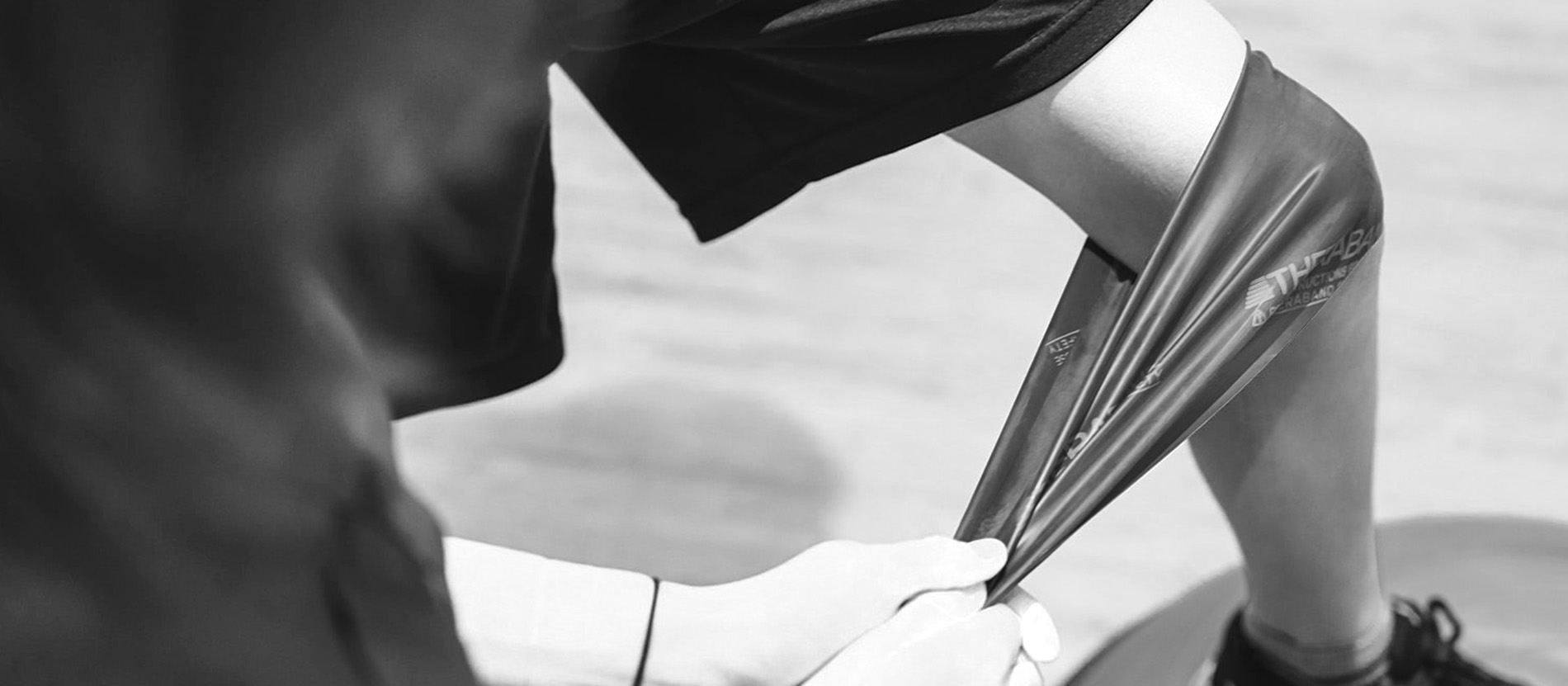
- Restoration of Range of Motion and Early Strength (Weeks 3-4): Graduated resistance exercises beginning with isometric contractions (muscle engagement without movement), progressing to isotonic exercises (movement against resistance). This phase emphasized ankle alphabet exercises, resistance band work, and proprioceptive training on stable surfaces.
- Functional Strengthening and Dynamic Stability (Weeks 5-7): Single-leg balance progressions, lateral band walks, single-leg stance on unstable surfaces, and sport-specific movement patterns. Manual therapy techniques addressed any residual restrictions in ankle mobility.
- Sport-Specific Training and Return-to-Sport Criteria (Weeks 8+): Plyometric training (jumping and bounding drills), lateral cutting movements, sport-specific acceleration patterns, and gradual training load progression. Return-to-sport clearance required documented strength symmetry of at least 90% compared to the uninjured side, along with functional movement competency testing.
Proper sports injury rehab treatment requires progressing through specific phases-not just pain reduction. Returning to sport without addressing underlying strength and proprioceptive deficits significantly increases re-injury risk.
The physiotherapist established clear, measurable criteria for progression between phases. Weekly reassessment ensured the program adapted to Marcus's response. Exercise prescription emphasized quality over quantity, with specific attention to movement mechanics during fatigue, since injuries typically occur when muscular fatigue compromises neuromuscular control.
For athletes in Cambridge, Flamborough, and surrounding communities seeking sports injury rehab treatment near me, Movement Solutions Physiotherapy incorporates sport-specific assessment. The therapist watched Marcus perform soccer-specific movements-rapid direction changes, kicking mechanics, acceleration patterns-to identify movement compensations that could predispose to future injury.
The Result: Safe Return to Competition and Improved Performance
Following nine weeks of structured rehabilitation, Marcus achieved full functional recovery. His ankle strength measured 95% symmetry compared to the uninjured side, and he demonstrated proficiency in all sport-specific movement assessments without compensation patterns. He returned to competitive soccer and, importantly, remained injury-free throughout the subsequent season.
Beyond recovery, Marcus gained several lasting benefits:
- Enhanced proprioceptive awareness reducing future injury risk across all activities
- Improved overall lower limb strength and stability, enhancing performance metrics like sprint speed and agility
- Clear understanding of load management principles enabling independent exercise maintenance
- Confidence in return-to-sport decisions supported by objective measurements rather than subjective feeling
The structured approach to sports injury rehab treatment near me eliminated guesswork and premature progression. Movement Solutions Physiotherapy's 90+ collective years of clinical experience across locations in Waterdown, Carlisle, Dundas, Ancaster, Burlington, Hamilton, Cambridge, and Flamborough demonstrates that this systematic methodology works consistently across diverse athletic populations and injury types.
Athletes seeking sports injury rehab treatment near me benefit from understanding that recovery is a progressive, measurable process. Professional physiotherapy assessment identifies specific deficits, establishes clear progression criteria, and ensures safe return to sport. Whether you're recovering from an acute injury or managing a chronic condition affecting athletic performance, evidence-based rehabilitation addresses the root causes rather than merely treating symptoms.
Frequently Asked Questions
How long does sports injury rehab treatment typically take?
Recovery duration varies based on injury severity, tissue type, and individual factors, but most acute sports injuries progress through rehabilitation in 6 to 12 weeks with consistent, structured treatment. More complex injuries or those involving surgery may require longer timelines. A physiotherapy assessment can provide a personalized estimate based on your specific condition.
What's the difference between sports injury rehab treatment and general physiotherapy?
Sports injury rehab treatment specifically addresses return-to-sport requirements, incorporating sport-specific movement assessment, athletic performance testing, and functional capacity evaluation. General physiotherapy may focus on pain relief and basic function, while sports rehabilitation progresses to the explosive power, dynamic stability, and coordinated movement patterns required for athletic competition.
When can I return to sport after an injury?
Return-to-sport decisions should be based on objective criteria, not pain levels alone. These typically include documented strength symmetry (usually 90% or greater compared to the uninjured side), pain-free range of motion, successful completion of sport-specific movement tasks, and demonstration of adequate proprioceptive control. A physiotherapist can establish personalized return-to-sport criteria for your injury.
Should I see a sports injury therapist or my regular doctor?
Both play important roles. Your physician diagnoses the injury and rules out serious pathology, while a sports injury physiotherapist specializes in systematic rehabilitation and return-to-sport programming. Many athletes benefit from concurrent care, with your physiotherapist designing sport-specific recovery while your doctor monitors overall health and healing.
Can I do sports injury rehab treatment virtually through telehealth?
Many rehabilitation components can be delivered via telehealth, including exercise instruction, movement analysis, and progress monitoring, making it convenient for busy athletes. However, certain techniques like manual therapy and hands-on assessment are more effectively provided in-clinic. Movement Solutions Physiotherapy offers both options to accommodate your preferences.

Our Services
We offer a range of services from our highly experienced and friendly staff.

Manual Therapy
Shown to be an effective treatment for a variety of conditions, including back pain, neck pain, headaches, tendonitis, and post–surgical rehab

Exercise Prescription
Provided by your physiotherapist, it provides a personalized plan that meets your individual needs

Gunn IMS
(dry needling)
Utilizing acupuncture needles (a small fine solid needle) to specifically target injured muscles that have contracted and become shortened from distress

Acupuncture
By activating the natural pain control and healing mechanisms of the body, it can improve local circulation and muscle nutrition, restoring muscle strength and decreasing pain

Education
As a key philosophy at Movement Solutions, we provide you with the information needed to assist and educate yourself as you work through your rehabilitation goals

Taping
Commonly used to provide support to an injured area and to assist in the healing process, but can also be used to improve posture, reduce inflammation, and improve mobility

IASTM
Instrument assisted soft tissue mobilization refers to specialized instruments that are used in place of a physiotherapist’s hands. These instruments allow for a more direct treatment of the soft tissues involved with movement

Cancer rehabilitation
An important part of cancer treatment, as it helps to improve physical and emotional functioning and overall quality of life

Lymphedema Management
The lymphatic system is responsible for helping to move lymph fluid to lymph nodes where it is broken down and then transported for elimination

ADP authorizer for lymphedema compression garments
A government program that provides funding for compression garments that are needed daily.

Sports related injury and prevention
While these injuries can be common, they can be prevented with proper training and conditioning

Telehealth – virtual physiotherapy
A great way for patients to access physiotherapy services without needing to attend an in-person appointment

Hands On
At Movement Solutions we offer a hands on approach to physiotherapy care. During each appointment your physiotherapist will evaluate and treat your injury using manual therapy based skills.

One On One
Our practice is to provide one on one care. Your physiotherapist will spend your entire appointment with you.

Client Specific
Our client specific approach means that your physiotherapist will listen closely to you throughout each session to determine your needs.

I have been treated by the team at Movement Solutions on and off for over 15 years for a multitude of injuries (back, high ankle, hip, shoulder, etc). Blair was able to fix a plaguing multiyear shoulder injury that other physiotherapists were unable to permanently fix prior to me finding Movement Solutions. Blair was able to alleviate, strengthen, and allow me to regain range of motion for this injury.
SC
The team at Movement Solutions understands that not everyone can take time off work to heal. They provide effective exercises that can be done at home or at work. The clinic also shows responsible patient care as they aren’t afraid to make referrals to other healthcare resources as needed, and to advocate for their clients to ensure they get additional healthcare they need. In one example, my son was undergoing treatment for his shoulder. However, when he entered the clinic limping due to a volleyball injury suffered earlier in the day, his physiotherapist took a look and immediately sent us to the hospital for x-rays and sure enough multiple bones in my son’s foot were broken.
JC
I’ve been lucky enough to be a patient of Blair’s for many years. I had suffered for years with chronic pain from a broken back, but with Blair’s expertise and care, I’m back to my fully active lifestyle. I still turn to Blair whenever I tweak something. He’s always able to diagnose and treat the problem, and then tailor an exercise plan that works for me. I highly recommend Blair and all of the team at Movement Solutions!
MG


We Are Ready To Help
Give us a call to discuss your health challenge. When you are ready, we are happy to begin your recovery journey.