

Sports Injury Therapist Flamborough
If you've recently suffered a sports injury, you're probably wondering: how do I get back to doing what I love? Finding the right Sports Injury Therapist Flamborough can make all the difference in your recovery journey. Whether you're an athlete dealing with a sprain, a weekend warrior nursing a strain, or someone recovering from overuse, knowing how to select and work effectively with a sports injury therapist will set you up for success. This guide walks you through the essential steps to connect with the right professional in the Greater Toronto Area and maximize your rehabilitation.
Step 1: Assess Your Specific Injury and Recovery Goals
Before you search for a Sports Injury Therapist Flamborough, take time to understand what you're dealing with. What happened? Was it a sudden incident during play, or did pain develop gradually? Can you identify which body part is affected-your shoulder, knee, ankle, back? Understanding these details helps you communicate clearly with potential therapists and ensures they have the expertise you need.
Next, think about your recovery goals. Are you hoping to return to competitive play, resume recreational activities, or simply move without pain? Do you want to prevent future injuries in the same area? Your goals shape the type of treatment plan you'll need. Write down 2-3 specific goals so you can discuss them when you contact clinics. This clarity is crucial because not all sports injury therapists focus on the same outcomes-some specialize in high-performance athletics, while others excel at helping people return to everyday movement.
Step 2: Research and Verify Therapist Credentials and Experience
Sports injury rehabilitation requires specialized knowledge. Look for therapists who hold proper physiotherapy credentials and have specific training in sports medicine. When you're researching options across Waterdown, Carlisle, Dundas, Ancaster, Burlington, Hamilton, Cambridge, and Flamborough, check whether clinics employ registered physiotherapists with hands-on expertise in your specific injury type.
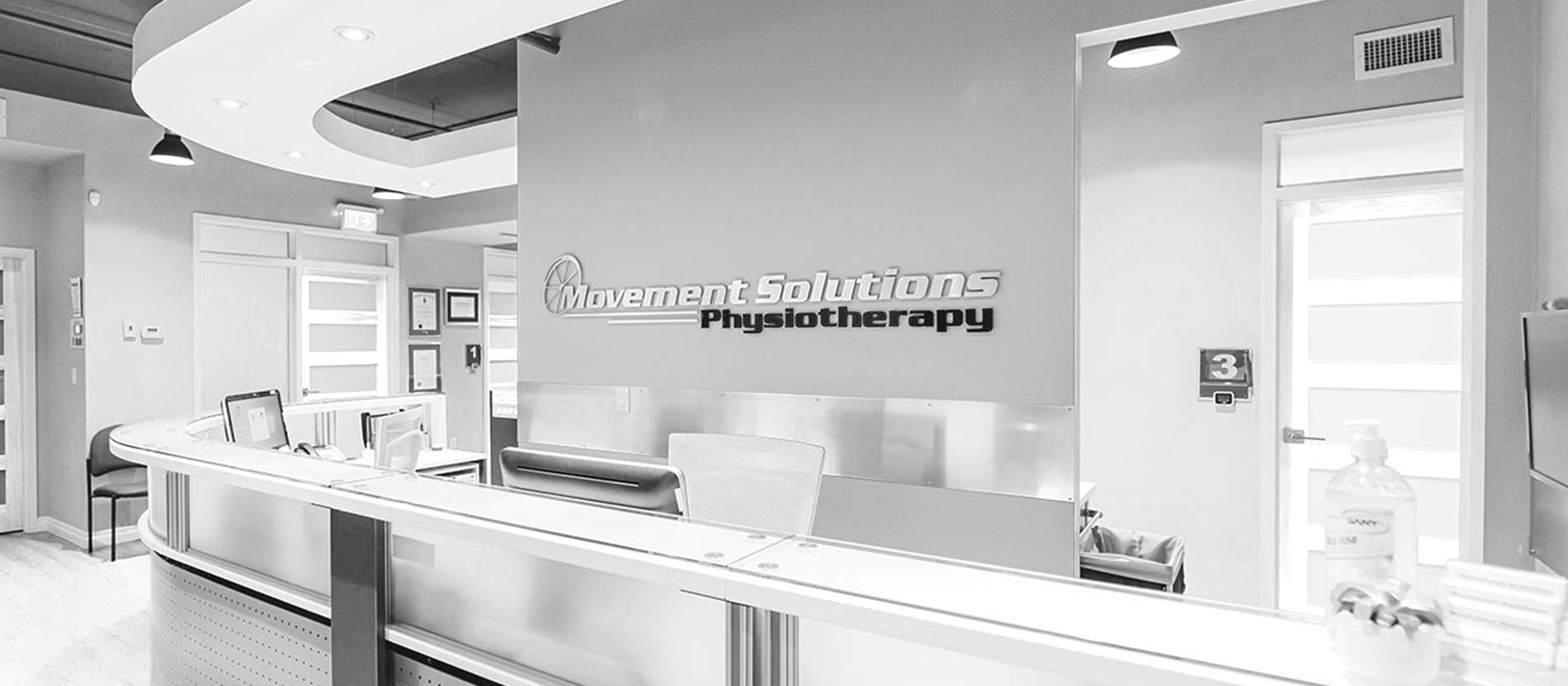
Experience matters tremendously. A Sports Injury Therapist Flamborough with 10+ years treating athletes will approach your torn rotator cuff differently than a generalist. Ask potential therapists about their background: Have they worked with athletes? Do they use evidence-based techniques like manual therapy, exercise prescription, and dry needling (Gunn IMS)? Movement Solutions Physiotherapy, for example, brings together 90+ collective years of experience across multiple locations, which means access to specialists who truly understand sports recovery. Don't hesitate to ask about their specific training-this is your health and performance we're talking about.
Step 3: Choose a Clinic and Schedule Your Initial Consultation
Once you've narrowed down your options for a Sports Injury Therapist Flamborough, reach out to schedule an initial consultation. During this first appointment, the therapist will assess your injury through physical examination and ask detailed questions about your pain, movement limitations, and how the injury occurred. They'll explain what they find and outline a treatment plan tailored to your needs.
Pay attention to how the therapist listens and communicates. Do they explain things clearly? Do they ask about your goals and lifestyle? A good sports injury therapist in the Greater Toronto Area will prioritize one-on-one, personalized care rather than rushing you through generic exercises. They should discuss treatment frequency (often 2-3 sessions weekly initially), what to expect in terms of progress, and when you might return to your sport. If they offer telehealth options alongside in-person sessions, that flexibility can support your recovery schedule. Trust your instincts-the right fit means you'll feel heard, informed, and confident in your recovery path.
Step 4: Engage Actively in Your Rehabilitation Program
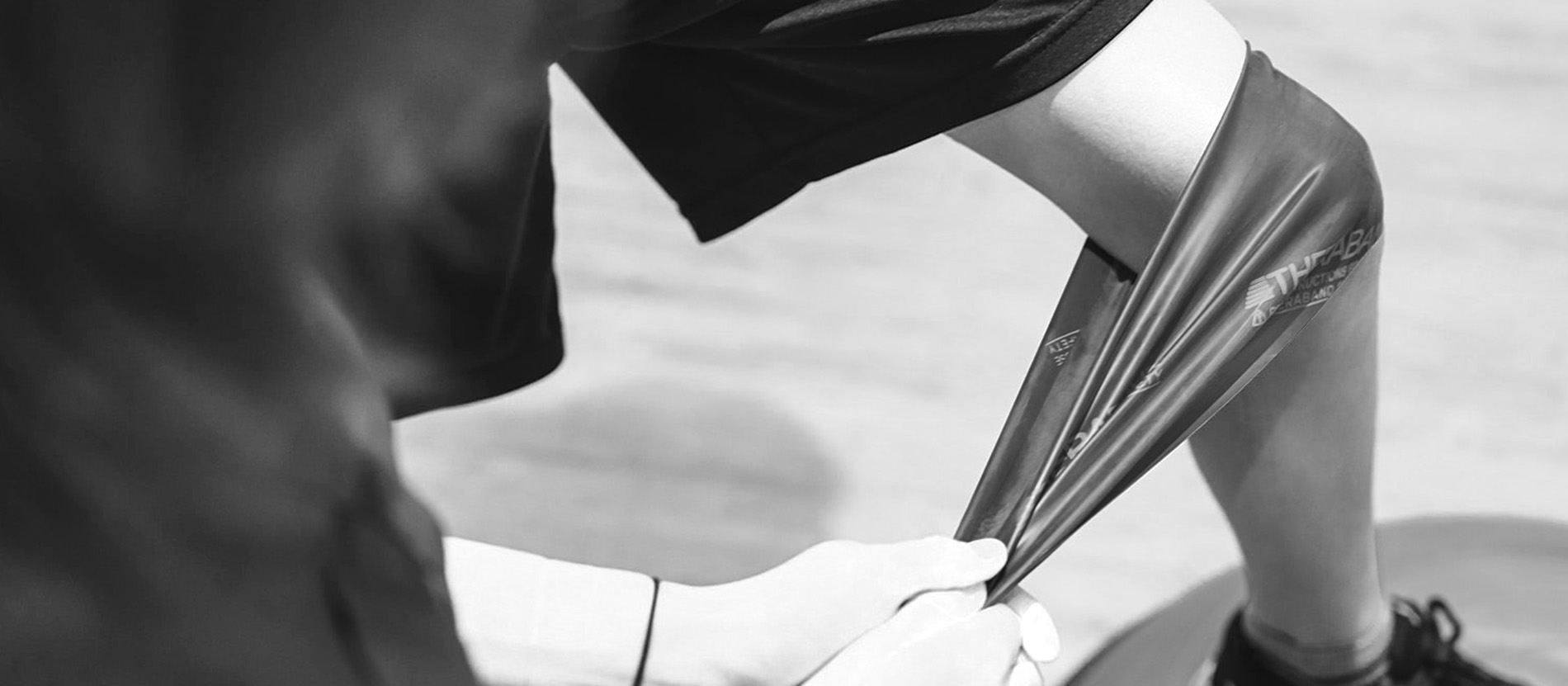
Here's where you become the real driver of your recovery: between-session work. Your sports injury therapist in Flamborough or elsewhere in the Greater Toronto Area will prescribe specific exercises to do at home. These aren't optional-they're as important as your clinic visits. Most athletes see meaningful progress when they commit to exercises 5-6 days per week, even if sessions are just 15-20 minutes.
Keep track of your progress. Note when movements become less painful, when you gain range of motion, or when you notice improved strength. Share these observations with your therapist-they help fine-tune your program. If an exercise doesn't feel right or causes different pain (not therapeutic discomfort, but sharp or wrong pain), mention it immediately. A skilled sports injury therapist will adjust your plan based on how your body responds, making your rehabilitation truly individualized.
Step 5: Communicate Progress and Plan Your Return to Activity
Regular communication with your therapist ensures you stay on track and prevent re-injury. During each session, discuss what's improved, what still challenges you, and any concerns that have arisen. If you're tempted to "test" your injury by returning to sport earlier than recommended, talk to your therapist first. They can help you understand readiness and create a graduated return-to-activity plan that reduces re-injury risk.
Your sports injury therapist should teach you injury prevention strategies specific to your sport and body. This might include movement patterns to avoid, warm-up routines, strengthening exercises for weak areas, or flexibility work. The goal isn't just to recover-it's to come back stronger and more resilient. When you've achieved your initial goals, ask about maintenance or prevention programs to keep you active and healthy long-term. This partnership approach to sports rehabilitation is what sets truly excellent clinics apart from the rest.
Frequently Asked Questions
How long does sports injury recovery typically take with a therapist?
Recovery timelines vary widely depending on injury severity, your age, overall health, and how consistently you engage in treatment. Minor sprains might improve in 3-6 weeks, while more complex injuries like ligament tears or rotator cuff issues can take 8-12 weeks or longer. Your sports injury therapist will give you a realistic estimate after your initial assessment and adjust expectations as you progress.
What makes a sports injury therapist different from a general physiotherapist?
Sports injury specialists have additional training in athletic performance, injury prevention, and return-to-play protocols. They understand the demands of different sports and can design rehabilitation that prepares you not just to move normally, but to perform at your sport-specific level. They're also skilled in techniques like dry needling and specialized manual therapy that target sports-related injuries effectively.
Should I see a sports injury therapist or my doctor first?
If you have severe pain, visible deformity, inability to bear weight, or suspect a serious fracture, see your doctor first for imaging and diagnosis. Once you have a diagnosis or your doctor has cleared you for physiotherapy, a sports injury therapist can begin rehabilitation. Many people also visit their doctor and a sports injury therapist simultaneously, as both perspectives support your recovery.

Our Services
We offer a range of services from our highly experienced and friendly staff.

Manual Therapy
Shown to be an effective treatment for a variety of conditions, including back pain, neck pain, headaches, tendonitis, and post–surgical rehab

Exercise Prescription
Provided by your physiotherapist, it provides a personalized plan that meets your individual needs

Gunn IMS
(dry needling)
Utilizing acupuncture needles (a small fine solid needle) to specifically target injured muscles that have contracted and become shortened from distress

Acupuncture
By activating the natural pain control and healing mechanisms of the body, it can improve local circulation and muscle nutrition, restoring muscle strength and decreasing pain

Education
As a key philosophy at Movement Solutions, we provide you with the information needed to assist and educate yourself as you work through your rehabilitation goals

Taping
Commonly used to provide support to an injured area and to assist in the healing process, but can also be used to improve posture, reduce inflammation, and improve mobility

IASTM
Instrument assisted soft tissue mobilization refers to specialized instruments that are used in place of a physiotherapist’s hands. These instruments allow for a more direct treatment of the soft tissues involved with movement

Cancer rehabilitation
An important part of cancer treatment, as it helps to improve physical and emotional functioning and overall quality of life

Lymphedema Management
The lymphatic system is responsible for helping to move lymph fluid to lymph nodes where it is broken down and then transported for elimination

ADP authorizer for lymphedema compression garments
A government program that provides funding for compression garments that are needed daily.

Sports related injury and prevention
While these injuries can be common, they can be prevented with proper training and conditioning

Telehealth – virtual physiotherapy
A great way for patients to access physiotherapy services without needing to attend an in-person appointment

Hands On
At Movement Solutions we offer a hands on approach to physiotherapy care. During each appointment your physiotherapist will evaluate and treat your injury using manual therapy based skills.

One On One
Our practice is to provide one on one care. Your physiotherapist will spend your entire appointment with you.

Client Specific
Our client specific approach means that your physiotherapist will listen closely to you throughout each session to determine your needs.

I have been treated by the team at Movement Solutions on and off for over 15 years for a multitude of injuries (back, high ankle, hip, shoulder, etc). Blair was able to fix a plaguing multiyear shoulder injury that other physiotherapists were unable to permanently fix prior to me finding Movement Solutions. Blair was able to alleviate, strengthen, and allow me to regain range of motion for this injury.
SC
The team at Movement Solutions understands that not everyone can take time off work to heal. They provide effective exercises that can be done at home or at work. The clinic also shows responsible patient care as they aren’t afraid to make referrals to other healthcare resources as needed, and to advocate for their clients to ensure they get additional healthcare they need. In one example, my son was undergoing treatment for his shoulder. However, when he entered the clinic limping due to a volleyball injury suffered earlier in the day, his physiotherapist took a look and immediately sent us to the hospital for x-rays and sure enough multiple bones in my son’s foot were broken.
JC
I’ve been lucky enough to be a patient of Blair’s for many years. I had suffered for years with chronic pain from a broken back, but with Blair’s expertise and care, I’m back to my fully active lifestyle. I still turn to Blair whenever I tweak something. He’s always able to diagnose and treat the problem, and then tailor an exercise plan that works for me. I highly recommend Blair and all of the team at Movement Solutions!
MG


We Are Ready To Help
Give us a call to discuss your health challenge. When you are ready, we are happy to begin your recovery journey.